Get Full Government Meeting Transcripts, Videos, & Alerts Forever!
Get email alerts on the Noncredit And Adult Learners topic
No spam. Unsubscribe anytime.
Board hears noncredit and adult learner update, highlights NOCE model and statewide need for expanded noncredit funding
Summary
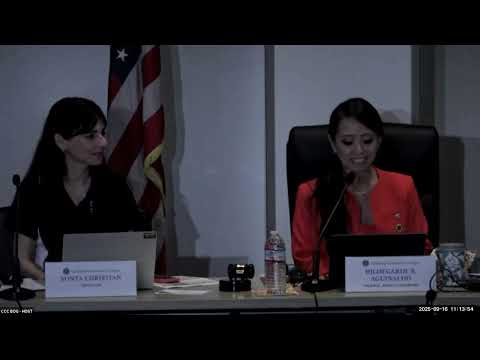
At the Sept. 16 Board of Governors meeting the chancellor’s office and North Orange Continuing Education presented a noncredit/adult learners update, pointing to growth in noncredit programs, regional access, and the potential role of noncredit to serve Californians with ‘some college, no credential.’
The California Community Colleges Board of Governors received an update on noncredit and adult education programs at its Sept. 16 meeting, with presenters saying noncredit (often delivered through continuing education divisions such as North Orange Continuing Education, NOCE) plays a critical role as an entry point into college and the workforce for adult learners.
Why it matters: Presenters said noncredit programs are a cost-effective way to reach working adults, immigrants and other underserved populations, and emphasized noncredit’s role in career pathways and stackable credentials designed to move students into credit programs and living-wage jobs.
What presenters said: Dean Gary Adams and colleagues described noncredit’s long history in California, its growth since a post-recession restoration of funding, and current service levels of about 600,000 students statewide. Tamika Connor (presentation lead) and NOCE representatives highlighted local partnerships, flexible delivery at community sites, and an example in Orange County where noncredit vocational graduates achieved living wages in 2022–23.
NOCE as host site: North Orange Continuing Education staff, including NOCE President Valentina Portell, described on-site programs (ESL, pharmacy tech, electrical training, ARISE Center) and community partnerships providing wraparound services; presenters said NOCE operates roughly 100 community sites and served more than 29,000 noncredit students per year. A student video played for the board included stories of immigrant and adult learners who said NOCE provided a pathway into college and work.
System supports and metrics: Staff described progress on noncredit-aligned Vision 2030 metrics and a two-year technical-assistance effort that produced recommended success metrics and a tiered professional-development framework. Presenters said data exists across multiple state programs and MIS reporting but called for additional cleaning and analysis to make noncredit outcomes more visible at the system level.
Public comment and board discussion: Public comments from faculty and union representatives urged increased state investment in noncredit and better compensation for noncredit instructors; the Community College Association asked for more full-time hiring and equitable pay. Board members who toured NOCE in the morning praised the district’s model and highlighted noncredit’s role in reaching adult learners, first-generation students and immigrant communities.
Next steps: Staff said the chancellor’s office will continue technical assistance, convene regional workshops and work with districts to refine noncredit metrics and funding requests in the statewide budget package.
Ending: The presentation underscored noncredit’s role as a statewide access point for adult learners and a potential lever for meeting the state’s workforce and equity goals. Board members urged continued focus on data, funding and full-time faculty capacity as the system scales noncredit efforts.