
CPRIT oversight committee approves 15 academic research awards totaling nearly $27.6 million
Get AI-powered insights, summaries, and transcripts
Sign Up Free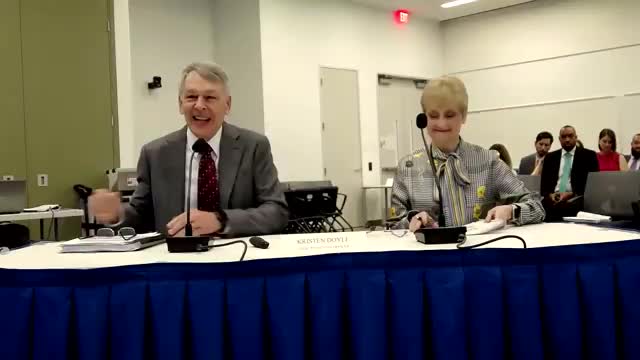
Summary
The Cancer Prevention and Research Institute of Texas oversight committee approved 15 academic research grant recommendations covering multiple mechanisms and delegated contract-signing authority to the CEO.
The Cancer Prevention and Research Institute of Texas (CPRIT) oversight committee on Aug. 20 approved 15 academic research grant recommendations from the Program Integration Committee totaling nearly $27.6 million, and delegated contract negotiation and signature authority to the CEO.
The approvals covered multiple award mechanisms, including core facility support awards, early clinical investigator awards, high-impact/high-risk research awards, a TREC pilot study award, recruitment of established investigators, and recruitment of first-time tenure-track faculty members. Dr. Scott Hiebert, CPRIT chief scientific officer, said the slate included awards intended to strengthen childhood and adolescent-cancer research, computational oncology and AI work, and prevention and early-detection projects across Texas.
The oversight committee heard that the Scientific Review Council reconvened after some prior declines freed funds, enabling the committee to bring additional applications forward for funding. The PIC recommended 15 awards across the listed mechanisms, representing about $27.6 million in requested funding.
Mister Burgess, CPRIT chief compliance officer, certified that the applications followed CPRIT’s peer-review process, and the chair noted that no oversight committee member reported a conflict on the proposed awards. A motion to approve all PIC slates carried after members present voted in favor. The committee then voted to delegate authority to the CEO and staff to negotiate and sign contracts on behalf of CPRIT.
Why it matters: The awards expand CPRIT’s investments in early-stage and translational cancer science in Texas, funding both infrastructure (core facilities) and investigator recruitment aimed at sustaining research capacity in the state.
The oversight committee will now authorize CPRIT staff to begin contract negotiations with awardees and implement the funded work as specified in the grant materials. The committee’s approvals were recorded during the public meeting; members asked that individual grant administration continue to follow CPRIT’s established compliance and monitoring processes.
Less-critical details: The PIC noted particular interest in core facility support at the Texas Medical Center and a data science and AI core from UT Southwestern intended to extend analytic capacity into more of North Texas’ catchment area. The slate also included several first-time recruitments and awards focused on osteosarcoma, lung and prostate cancers, and computational methods.