Lifetime Citizen Portal Access — AI Briefings, Alerts & Unlimited Follows
Hubbardston open-space committee schedules public walk, weighs ATV deterrents and state forest comments
Loading...
Summary
The Open Space Committee set a public scouting walk for Aug. 6 and a follow-up meeting for Aug. 7 to collect comments on the DCR draft plan for Hubbardston State Forest; members discussed trail names, benches, accessibility, and physical and communications measures to deter ATVs from newly opened trails.
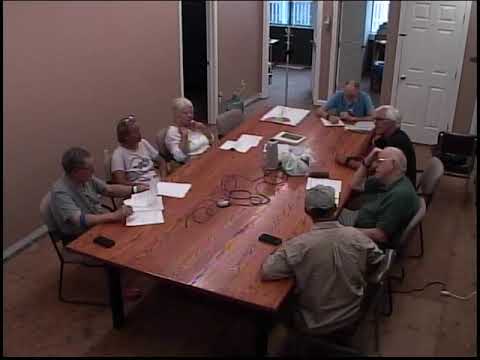
The Town of Hubbardston Open Space Committee agreed on an early-August public walk to review planned trail improvements and to prepare comments on a draft state plan, while also debating how to deter all-terrain vehicles from sensitive trail segments.
Committee members set a scouting walk for Aug. 6 at 5 p.m., meeting at the junction of Mount Jefferson Road and Cross Road, and scheduled a short follow-up meeting for Aug. 7 at 7 p.m. to finalize committee input for submission before the draft plan comment deadline (committee members said August 15 is the target date to provide feedback to the state).
Why it matters: The discussion covered multiple open-space projects — trail naming and mapping, a new picnic/bench overlook, an Eagle Scout trail connector, and possible trailhead and culvert upgrades identified in a draft plan released by the Department of Conservation and Recreation (DCR) — all of which affect public access, conservation values and future maintenance obligations.
Committee members reviewed ongoing trail projects: a marked centerline for a new connector trail; a planned picnic table and bench near a sugar maple; an Eagle Scout project to cut and mark a short path off the new trail; and plans for accessible trail surfacing. The group discussed naming several new trails (examples mentioned included “Flag Road,” “Behind the Pines,” and “Donnie Rock/Toddy Rock”) and involving local schools in naming contests.
The committee devoted considerable time to preventing unauthorized off‑road vehicle use on newly opened trails. Members traded ideas used elsewhere — boulders at entry points, post-and-rail barriers with steel or concrete reinforcement, post-and-cable systems, low wooden barriers sized to block ATVs but allow pedestrians and mobility devices, and targeted signage and public outreach. Members emphasized using a mix of deterrents and outreach rather than relying solely on enforcement.
The committee discussed placement and dimensions for physical deterrents so authorized trail users (including mobility-assist devices) can pass while most ATVs cannot. Members proposed narrow openings around 40 inches at key choke points to allow wheelchairs and adaptive cycles but block larger ATVs. The group also discussed installing more boulders at the parking area and near known access points and piloting low-impact fencing or cable in high-risk spots. Mark (a Land Trust board member) and others recommended a small pilot in one or two places to test durability and aesthetics before wider installation.
Members also discussed cameras, increased police patrols at peak times and expanded signage to communicate rules and penalties. The committee agreed to pursue three parallel tracks: (1) public outreach and signage, (2) targeted deterrents (design and installation cost estimates), and (3) enforcement coordination with the police. Tim agreed to research deterrent options and costs; Susan agreed to follow up on public-outreach materials and timing.
The committee noted state recommendations in the DCR draft that could affect local trailhead and stream-crossing work (for example, culvert sizing and possible boardwalk or bridging in wet areas). Members asked to review DCR’s recommendations for Mill Pond Trail and other named segments and to submit consolidated comments after the Aug. 6 walk and the Aug. 7 meeting.
Ending: The committee asked members to bring design ideas and cost estimates to the scheduled walk and the short Aug. 7 meeting. The group said it would pilot deterrents in a narrow set of locations, expand signage and coordinate with police on targeted patrols during peak ATV times.