Get Full Government Meeting Transcripts, Videos, & Alerts Forever!
Get email alerts on the Education Attendance topic
No spam. Unsubscribe anytime.
Georgia study committee: chronic absenteeism rose sharply after COVID; leaders call for nurses, social workers and local partnerships
Summary
A Georgia House study committee met to review state data and research showing chronic absenteeism roughly doubled since before the pandemic, discuss causes and consider interventions including school nurses, social workers, early-warning systems and community partnerships such as Communities In Schools.
A House study committee reviewing student attendance heard on Tuesday that chronic absenteeism in Georgia rose substantially after the COVID-19 pandemic and that targeting health supports, home and community services, and school-based early interventions could reduce learning loss.
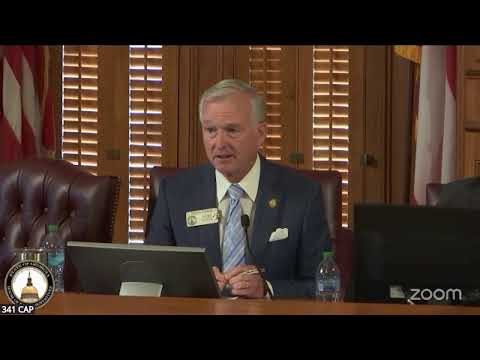
Committee Chairman Chris Erwin, chairman of the House Committee on Education, opened the meeting saying the group was created to study “student attendance and pre‑K through 12 education” and to gather evidence that could inform policy and funding decisions.
The committee heard three presentations. Gary McGivney, who chaired a Student Attendance subcommittee of the Georgia Reading Cabinet, summarized a six‑month review and said the committee focused on drivers of absence and proven practices to improve attendance. “Twenty percent of our students are missing three weeks or more of school during the school year,” McGivney told the committee, noting that the subcommittee chose a 15‑day benchmark to allow consistent comparisons across districts with different calendar lengths.
McGivney and later presenters stressed that even shorter patterns of absence matter: research cited during the meeting showed cumulative absences of five days or more are associated with measurable learning loss in reading and math, and higher absence rates in early grades correlate with lower third‑grade reading proficiency statewide.
Justin Hill, deputy superintendent for the Office of Whole Child Supports at the Georgia Department of Education, demonstrated a public dashboard the department released to let districts and communities view chronic absenteeism by subgroup, grade level and school. Hill said the dashboard is intended to help superintendents and principals “make this big data set a little bit smaller” by focusing attention on schools and subgroups with the largest increases.
The presenters reported several recurring causes of absenteeism: illness (including unmanaged chronic conditions such as asthma and diabetes), transportation gaps, housing and food insecurity, pandemic‑era family trauma, lack of routine or parental guidance about attendance, and limited access to vision, hearing or mental‑health services. McGivney and Hill each said school nurses, social workers and school‑based or linked health services reduce absences; Hill described investments such as hiring attendance officers and stand‑alone clinic models as “high cost, high impact.”
Community‑based interventions were highlighted. Carol Lewis, president and CEO of Communities In Schools Georgia, described the organization’s site‑coordinator model that provides case management and connections to community resources in schools. Lewis said Communities In Schools reports improved attendance for about 72 percent of students they case‑manage and that the program emphasizes a one‑on‑one relationship between a caring adult and a student.
Presenters pointed to existing statutes and programs intended to coordinate local responses. McGivney discussed a Georgia code provision that authorizes superior court judges to convene local committees to coordinate education, public health, juvenile justice and other partners; he said the provision has worked well where judges have actively convened teams but that not all judges have done so. Senate Bill 123, he said, reinvigorated requirements for local attendance teams.
Committee members asked for additional data and next steps. The chairman asked members to send him their top three concerns ahead of the panel’s next meeting and scheduled a follow‑up for Sept. 22. No formal actions or votes were taken at the session; presenters provided research, program descriptions and policy options for further study.
The meeting emphasized two linked conclusions: chronic absenteeism is a statewide problem with measurable impacts on learning, particularly in early grades, and solutions will be multi‑sectoral — combining health services, targeted case management, school climate work and family engagement — with both local and state roles in funding and implementation.