Get Full Government Meeting Transcripts, Videos, & Alerts Forever!
Get email alerts on the Lerta Ordinance topic
No spam. Unsubscribe anytime.
Finance committee reviews rewrite of residential and commercial LERTA ordinances to streamline applications
Summary
Williamsport's Finance Committee on Tuesday reviewed two ordinances to repeal and reenact the city's residential and commercial Local Economic Revitalization Tax Assistance program (LERTA) to simplify application timing and paperwork and remove the residential application fee.
Williamsport's Finance Committee on Tuesday reviewed two ordinances to repeal and reenact the city's residential and commercial Local Economic Revitalization Tax Assistance program, commonly called LERTA, with changes intended to simplify application timing and paperwork and remove the residential application fee.
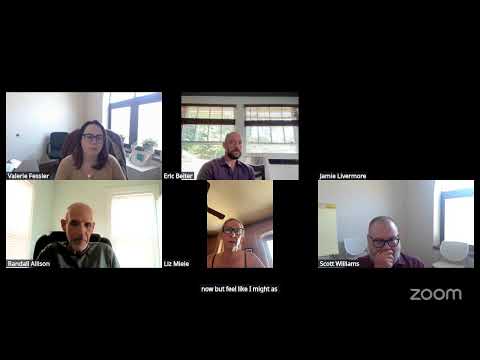
Committee Chair Liz Meeley called the meeting to order at 1:02 p.m., and Community and Economic Development staff Scott Williams and former city Treasurer Nicholas Grimes summarized the proposed changes. Scott Williams said the rewrite is intended to make the program "cleaner, more user friendly" and to make the application process match the state enabling legislation. "LERDA is our local economic revitalization tax assistance program," Williams said, describing how the program phases in the tax increase from new construction or improvements over 10 years.
The ordinances would (1) require applicants to file the LERTA application within 30 days of submitting a building permit rather than waiting until an occupancy permit, (2) remove the residential application fee, (3) keep commercial LERTA limited to existing eligible zones, (4) clean up obsolete schedule tables and language about federal opportunity zones, and (5) retain an appeals process but allow the city to appoint a LERTA appeals board or to have City Council serve as that hearing body if no separate board is appointed. Nicholas Grimes said the ordinance drafts "cleaned up some language to say anytime the property value changes," and otherwise made technical corrections and clarifications.
Committee members asked whether the residential LERTA remained citywide (it does) while commercial LERTA remains limited to certain zones; whether the county and school district must approve the city's LERTA (they do not; each taxing body may adopt its own LERTA or condition its adoption on other taxing bodies); and how many active residential applications exist. Scott Williams said the city has "about 9 or 10 active residential" LERTA applications that have been reviewed and approved. Committee members asked staff to provide a very rough estimate of the value of projects associated with active applications for discussion at the full meeting where the ordinances will be considered.
No formal vote was taken in the committee; staff said final action is scheduled for the Thursday meeting on the ordinances. Staff also noted the current LERTA term in the ordinance currently expires in 2026 unless earlier repealed or extended by council.
Supporters at the meeting pointed to recent projects they associate with the program and said the change should make administration easier. Scott Williams and Nicholas Grimes said the principal substantive changes are timing of application, the residential fee removal and cleanup of obsolete language rather than changes to geographic eligibility or the basic structure of the benefit.
The committee forwarded the ordinances for consideration at the next council meeting; no motion or vote was recorded at the finance committee session.