Get Full Government Meeting Transcripts, Videos, & Alerts Forever!
Get email alerts on the Homelessness And Domestic Violence Services topic
No spam. Unsubscribe anytime.
Fearless says demand, funding cuts strain shelter capacity; county to receive new higher shelter supplement
Summary
A domestic violence service provider told Sullivan County legislators its shelter and nonresidential programs face higher demand, federal funding reductions and staffing shortages. County officials said a state increase in the public-assistance shelter supplement could free some rental-supplement units for others in need.
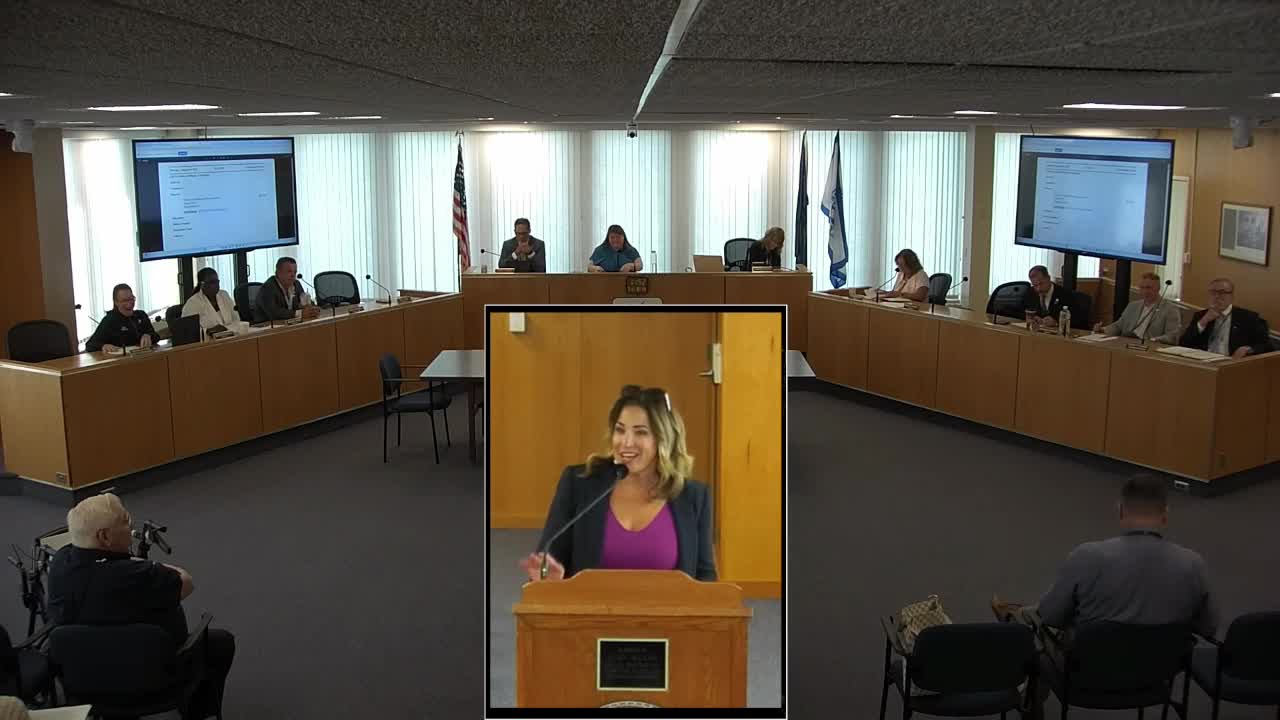
Kelly Ann, a representative of Fearless (the domestic violence and sexual-assault service organization), told the Sullivan County Health and Human Services Committee that demand for services has increased and that federal and state funding cuts are straining local service capacity.
“our numbers are up 10% from July,” Kelly Ann said, and she told legislators Fearless is “strategizing right now and just navigating the funding and the funding streams.” She said a federally funded advocate co-located at the Sullivan County district attorney’s office will lose that federal support on Sept. 30 and “the DA’s office in the county may not be able to support the continuation of the co location of the advocate.” Kelly Ann added Fearless “is committed to providing those services” and has created a referral process to work with the DA’s office once the co-location ends.
The organization also said it has a contract delay for state emergency financial assistance funds (referred to in the county presentation as “safe money”) that could be available beginning Jan. 1, but Fearless has not yet been able to execute the contract and draw down those dollars. "We still don't have an executed contract, and so we haven't drawn down on those funds yet," she said.
Fearless described its shelter capacity and operations: the provider consolidated two prior shelters into a single, ADA-accessible facility in Orange County with a combined 38 beds, and said beds are not earmarked by county. “We have 38 beds at any given time,” Kelly Ann said, and added domestic violence shelters in New York must accept survivors from anywhere in the state when they meet immediate danger criteria. She explained typical shelter stays are short-term: “It's only 90 days. It's a 90 day stay with 2 potential 45 day extensions,” and each extension requires approval and evidence the resident is working toward transitional or permanent housing.
Commissioner John told the committee the state approved a higher shelter supplement for people receiving public assistance. “The maximum shelter supplement for someone receiving public assistance is going from 335 a month to 1,039,” he said, adding that the new amount applies only to people already eligible for public assistance, not to other rental-supplement recipients. He and staff said the county expects to move some residents from the county rental supplement program to the new state shelter supplement, which could free local rental-supplement units for other households.
Committee members pressed for local data. Kelly Ann said Fearless bills the county for Sullivan County residents who stay at the shelter “per bed night” and offered to provide the county commissioner with counts of Sullivan County residents and bed nights from January through the present once the county requests that per-diem billing data. Commissioner John confirmed county staff will request and report those numbers but cautioned that small counts can be personally identifying and that the county typically does not release detailed demographic breakout when counts are very low.
Fearless and county officials described workforce pressures: Kelly Ann said the nonprofit cannot compete with some county or state salaries and has experienced turnover; she estimated many staff stay “about a year, year and a half” and noted advocates require months of training and state-level confidentiality checks. The organization said it is using rapid rehousing dollars (federal funds) and other flexible crisis dollars to place survivors in more permanent housing, while remaining limited by supply and staffing.
Committee members and Fearless also discussed the facility’s funding history: Kelly Ann described a lengthy process to secure HHAP funding and to build the consolidated Orange County shelter, saying the project opened in November 2021 after multi-year delays and COVID-era setbacks. She said HHAP and other state grant processes and staffing requirements make building and operating shelters a significant lift for nonprofit providers.
The committee asked several practical questions about county-level capacity and next steps. Commissioner John and Fearless staff said they will provide the requested counts of Sullivan County residents housed and bed nights to the legislature and continue working with the county on strategies to stretch staffing, cross-train advocates and deploy rapid rehousing and other crisis dollars.
The committee did not take formal votes on any shelter or funding items during the meeting.