Get Full Government Meeting Transcripts, Videos, & Alerts Forever!
Get email alerts on the Affordable Housing topic
No spam. Unsubscribe anytime.
Plantation council approves surplus‑land disposition to Habitat for Humanity after debate over deed term and city contributions
Summary
City Council voted to approve the disposition of surplus city land to Habitat for Humanity to build affordable homes after weeks of review and public comment. Councilmembers debated deed‑restriction length, city in‑kind contributions and infrastructure responsibilities before passing the measure unanimously.
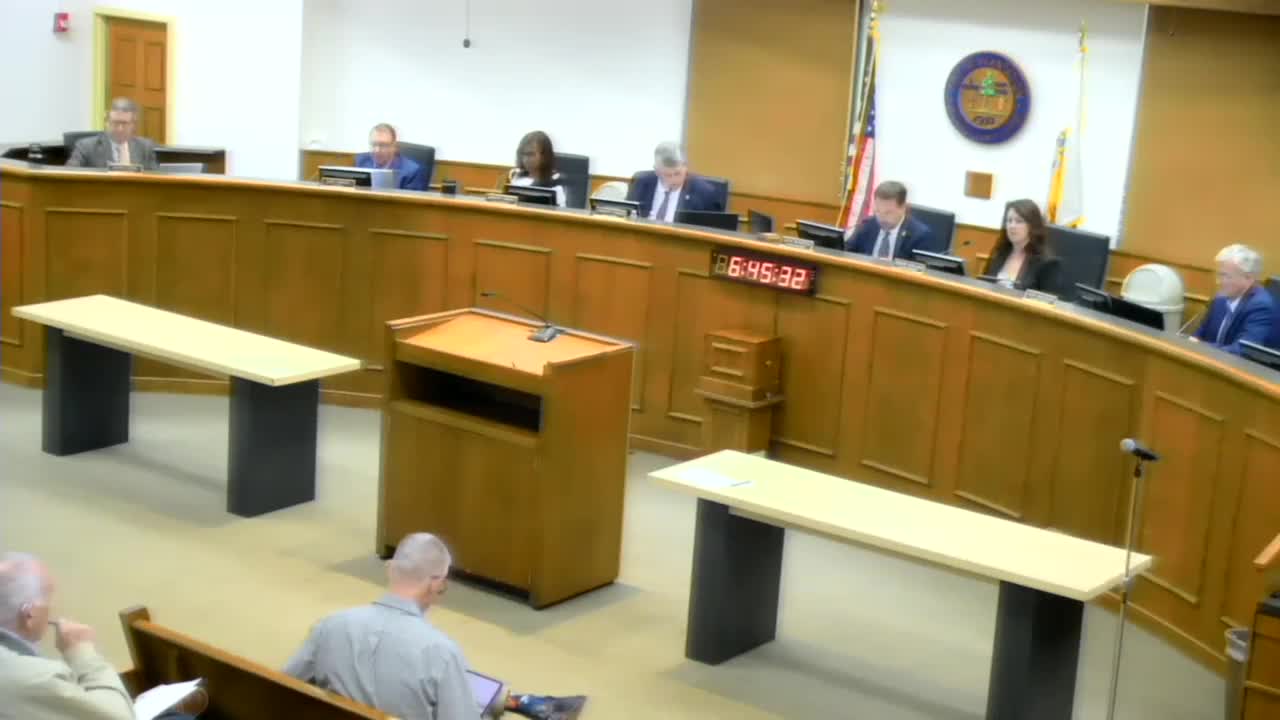
The City Council of Plantation on Aug. 13 approved the disposition of a surplus parcel to Habitat for Humanity for creation of limited‑income housing, after councilmembers and members of the public questioned the proposed deed restriction term, the number of units and what city maintenance or infrastructure costs the city might assume.
Councilmember Fadgen, who led the discussion, said the extra time staff allowed for public review and input had been “beneficial” and asked detailed questions about how the homes would be priced, sold and resold under the affordability covenant. “I would like my colleagues to consider reducing the 99 to either 40 or 45,” Fadgen said during deliberations, referring to a 99‑year deed restriction proposed in staff materials.
The council heard from Nancy Robin of Habitat for Humanity, who described the common approach of municipal partnerships: “The the most common way is through partnerships like this.” Robin and staff explained that the proposed model would use deed restrictions tied to area median income (AMI) bands, with the affordability covenant intended to recycle the asset for future eligible households rather than transfer the full market value to a single owner.
Council members sought detail on how resale would work. Staff and Habitat representatives said the deed restriction would run with the land so the home could not be conveyed at market rate until the restriction expired or the council authorized removal; resale would be constrained to households meeting the AMI eligibility at the time of sale. Councilmember Anderson asked whether the AMI ceiling would “capture some equity, but not the full value,” and staff confirmed that the homeowner would retain limited equity but the price would be set according to the controlling AMI formula in the deed restriction.
Other practical questions arose about in‑kind city contributions and long‑term costs. Fadgen pressed for clarity on the city’s potential responsibilities, including stormwater sizing, landscaping and road maintenance, noting city consultants had given a separate estimate for annual road maintenance needs. Staff said specific maintenance and utility responsibilities would be finalized later in the design and platting stages and that the city would return to the council before committing to any ongoing maintenance that extended beyond routine public infrastructure assumptions.
Public speakers at the meeting supported the project as a multi‑generational, recycling affordability model. AHEC participants and residents told the council the program could enable first‑time buyers to accumulate household wealth over time, even if resale values were constrained. Resident Carl Bueller described the proposal as “a really good plan” and urged the council not to delay the project further.
After discussion, a motion to approve the disposition passed on a voice/roll‑call vote with all councilmembers voting yes. The measure authorizes staff to move forward with the agreement with Habitat for Humanity under the general terms presented: a limited number of townhome units (the presentation referenced a cap in the 14–16 unit range), deed restrictions tying resale to AMI, and further detailed agreements on infrastructure and maintenance to return to council for final approvals.
The council did not finalize the precise deed‑restriction length at the meeting; councilmembers expressly debated 99 years versus a shorter term (40–45 years) and recorded differing views. Councilmember Horland said she supported maintaining the 99‑year restriction to preserve long‑term affordability for future generations, while Councilmember Fadgen argued a shorter term would better serve elderly homeowners who might need to sell for assisted‑living expenses. City staff also cautioned that state actions could affect municipal control over surplus land in the future and noted the possibility — not a certainty — of legislative changes that could affect home‑rule authority.
Next steps identified by staff include finalizing the exact unit mix and deed language during site plan and platting reviews, identifying specific public‑infrastructure commitments (if any), and returning to council for approvals of zoning/plats and any city funding or maintenance obligations.