Get Full Government Meeting Transcripts, Videos, & Alerts Forever!
Get email alerts on the Sanitation topic
No spam. Unsubscribe anytime.
Council approves higher curbside fee, discusses ending recycling and authorizes bond for demo garbage truck
Summary
After extensive public comment and staff presentations, London City Council voted to raise the city's curbside-assistance fee from $3 to $12, left a proposed resolution to end the curbside recycling program on the agenda for further study, and approved issuing bonds not to exceed $400,000 to buy a demo garbage truck.
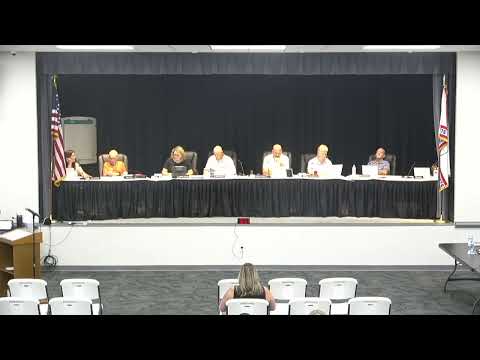
London City Council on Thursday approved an ordinance raising the city's curbside-assistance fee from $3 to $12 and moved forward with financing to buy a replacement garbage truck after lengthy public comment and a department briefing on equipment and staffing needs.
The discussion centered on maintenance and reliability of the city's sanitation fleet, whether to continue the city's curbside recycling program and how best to pay for an immediate equipment need. Council approved Resolution 166-25 to issue bonds "not to exceed $400,000" to acquire a demo garbage truck that staff said could be put into service in weeks, and adopted Ordinance 155-25 to raise the curbside-assistance fee.
Why it matters: Council members and residents said failing trucks and high outside maintenance costs have put the service at risk and that city staff are weighing whether to keep sanitation in-house, buy replacement equipment now or begin a privatization process that could take six months to a year. The decisions affect weekly trash service, recycling availability and sanitation department staffing and operating budgets.
Rex Castle, the city's safety service director who led the department briefing, told council the city has repeatedly lost trucks to breakdowns and that some trucks must travel out of state for manufacturer servicing. Castle said the city found a nearly new demo unit and that prompt purchase would minimize service interruptions: "We can get it equipped and we should be able to get it in service in a week or two." He told council the demo truck represents an immediate solution because new trucks take about a year to be built and delivered.
Castle provided a line-by-line look at the sanitation budget trade-offs that underlie the recycling debate. He estimated that eliminating curbside recycling would increase disposal (transfer) fees by about $10,000 a month but would reduce maintenance by about $3,000 a month, fuel and oil by about $2,000 a month, recycling fees by about $2,000 a month and overtime by about $2,000 a month, leaving a rough net cost increase of about $1,000 monthly. He told council, "To keep recycling, we need another truck beside the one that I'm trying to get currently, and we also need an additional employee." Castle estimated adding an employee and a truck would cost roughly $100,000 and $120,000 annually, respectively.
Residents urged caution and transparency. Thomas Floyd, 28 North Union Street, who identified himself during public comment, said he worried about staffing and maintenance and recommended delaying or temporarily holding changes to curbside service rather than making a price jump that could harm residents: "Instead of just raising this price, I believe a temporary hold on that service entirely would be best for helping keep our department intact for now."
Council response and actions - Curbside assistance: Ordinance 155-25 (rate increase from $3 to $12) — adopted on third reading. The ordinance change was debated during public comment and committee reports and passed by roll call. - Recycling program: Resolution 159-25 (abolish city recycling program) — discussed in depth; council left the resolution on the agenda for further consideration rather than adopting it at the meeting. - Garbage truck financing: Resolution 166-25 (issuance of bonds not to exceed $400,000 for purchase of a garage garbage truck) — council moved and passed the resolution, with members voting to suspend readings and approve the bond authorization so the city could acquire the demo vehicle quickly.
Staff and council clarified several operational points. Castle said the curbside-assistance service is used by a small number of customers (Sanitation staff reported 24 customers not eligible for discount programs) and that the department currently bills about 4,000 sanitation customers. Castle recommended increasing the annual automatic rate-adjustment clause from the current 3% to 5%–6% to keep pace with inflation and rising costs.
Council members asked about resale value and depreciation if the city later privatizes sanitation; Castle responded that used trucks of 40,000'80,000 miles often sell at prices only slightly below new because new build lead times are long, making demand for ready trucks high.
What's next: Council left the recycling resolution on the agenda to allow more study and public feedback and moved ahead with financing to buy the available demo truck if council authorizes final procurement steps. Sanitation staff said they will continue to report to finance and council on equipment maintenance, staffing needs and the financial impacts of any changes to recycling or curbside-assistance programs.
Ending note: Council and staff repeatedly framed the choices as trade-offs: immediate equipment spending to avoid service interruptions versus longer-term decisions over whether to expand staffing and fleet to preserve recycling pickup or to end city-run recycling and reallocate work and costs.