Get Full Government Meeting Transcripts, Videos, & Alerts Forever!
Get email alerts on the Energy Policy topic
No spam. Unsubscribe anytime.
Staff outlines targeted moratorium options on some alternative energy uses; commission asks questions about hydrogen, oil and gas
Summary
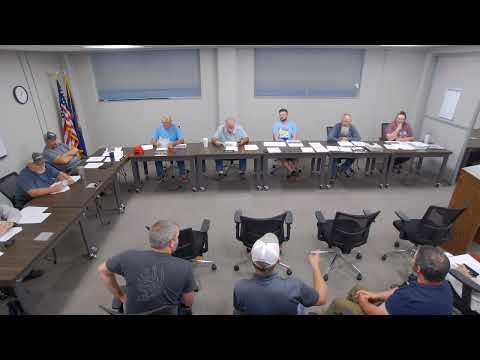
Planning staff reported Aug. 21 on research into hydrogen facilities, oil and gas wells, and other alternative energy uses and suggested the commission consider targeted moratoriums by energy type pending zoning code regulations; commissioners asked about water use, permits on agricultural land, road impacts and next steps.
Planning and zoning staff told the Dickinson County Planning and Zoning Commission Aug. 21 that the county’s existing broad moratorium on alternative energy uses — which staff said expires July 1, 2026 — may need to be extended in targeted form for specific technologies such as hydrogen until the county finalizes zoning rules.
Staff said they contacted other counties in the region, including McPherson County and Ellsworth County, and spoke with Fillmore County, Nebraska, which staff identified as having the first hydrogen well in that area of the country. Staff said several counties are monitoring hydrogen and other emerging facilities because of concerns about water use, and some counties have placed moratoriums on particular uses while they develop regulations.
“...the moratorium that expires on 07/01/2026, staff is investigating,” the staff presentation stated. Staff said it will continue gathering information and plans to return with options — staff suggested October as a target month to present draft regulatory approaches for the commission’s consideration.
Commissioners and members of the public asked detailed questions about how oil and natural gas wells are treated elsewhere, including whether wells are allowed by right on agricultural land and what oversight applies. Staff reported that the counties contacted generally allow new oil and gas wells on agricultural land as a permitted use but prohibit them in residential and commercial zones, and that specific permitting and state guidelines would still apply.
Commissioners asked how the county could manage haul traffic and road wear from energy development. Staff said road and bridge oversight and potential maintenance agreements would be the channel to address heavy vehicle impacts, and that the county’s regulation typically stops at the driveway — road maintenance and any financial arrangements are usually handled between the county and the operator.
The commission discussed classification terminology staff had encountered in research: “green” hydrogen (produced by electrolysis), “gray” hydrogen and “white” hydrogen (the transcript referenced these categories and examples from industry reporting). Staff also described a recent news report of a hydrogen concentration discovery in Nemaha County and said staff would circulate the articles and follow up on contacts at Fillmore County to learn how that approval was handled.
No regulatory changes or votes were taken Aug. 21; staff requested direction to continue research and return with draft options and timelines. Commissioners discussed public‑outreach timing and were told public comment is typically solicited after staff presents specific draft text or a formal resolution for the commission’s recommendation.
Staff flagged a range of issues for future consideration, including water use, setbacks and setback enforcement, county‑level permitting limits, road impacts and financial arrangements for road maintenance, and the appropriate legal framing for any moratorium extension (staff said a targeted moratorium by technology may be preferable to a blanket extension).