Get Full Government Meeting Transcripts, Videos, & Alerts Forever!
Get email alerts on the City Budget topic
No spam. Unsubscribe anytime.
San Antonio officials present proposed $4 billion FY2026 budget, create new Department of Capital Delivery
Summary
City budget staff told the Planning Commission the proposed fiscal 2026 spending plan would total about $4 billion, add a new Department of Capital Delivery to manage bond and capital projects, boost homelessness services and add police and firefighter positions while balancing a projected structural deficit through cuts and fee adjustments.
City of San Antonio budget staff on Thursday presented a proposed FY2026 budget of about $4 billion and described a reorganization that creates a new Department of Capital Delivery to manage the city’s large bond and capital program.
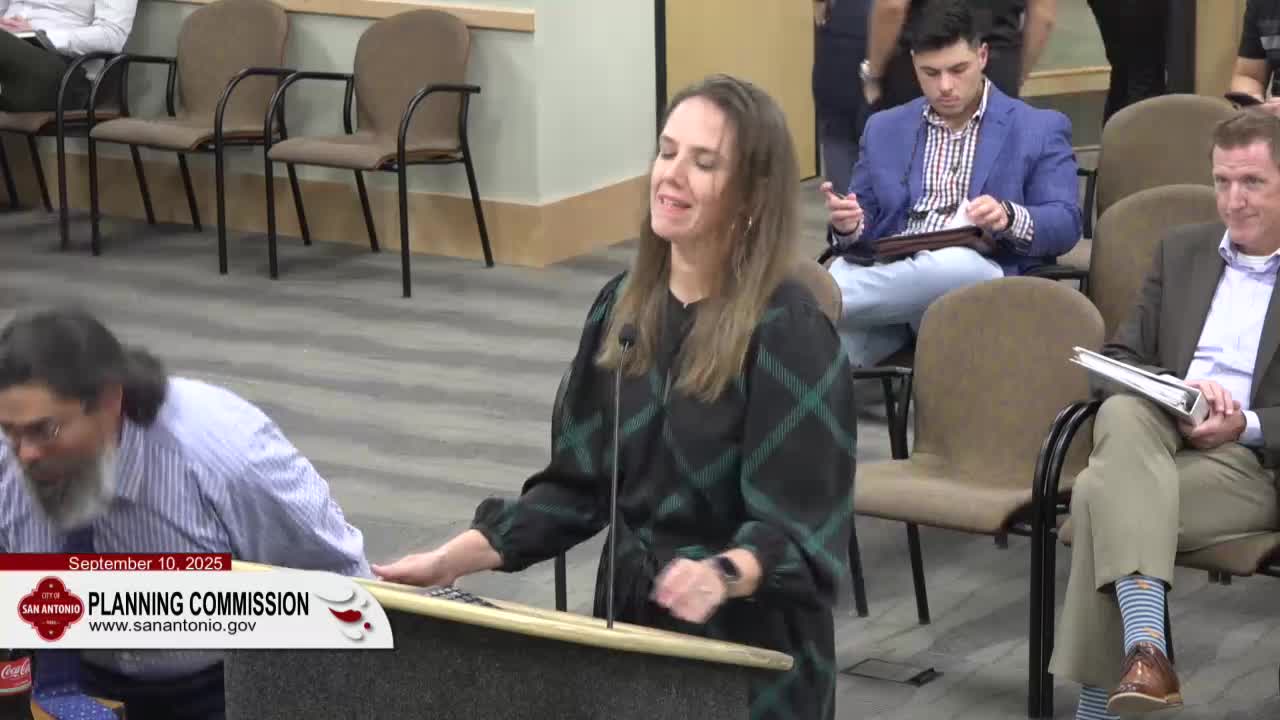
The presentation, given to the Planning Commission by Susana Taydom, the city’s budget director, and Mike Shannon, director of the new Department of Capital Delivery, outlined a spending plan that staff said would increase roughly 2.2% over last year and would preserve the current property tax rate. Taydom said the total proposed budget for 2026 is about $4 billion and described strategies used to balance an earlier projected shortfall.
Taydom said the general fund in the proposal would be roughly $1.69 billion and highlighted reductions in civilian positions and other cost-savings as part of the balancing plan. "We started with a two-year deficit in the general fund but we have balanced the budget by reducing spending and reallocating project savings," Taydom said.
The nut of the proposal, presenters said, is a two-part approach: (1) reorganize and better target capital delivery by creating the Department of Capital Delivery, and (2) set operating priorities that include homelessness services, public safety and infrastructure maintenance. "The idea is for it to work more efficiently," Mike Shannon said of the new capital delivery department.
Budget staff described major components and investments in the proposal. The presentation listed targeted investments in homelessness response — including a $30.5 million direct investment for outreach, temporary housing and shelter capacity, and an additional $4.8 million to be spent in the coming year — and a plan to conduct approximately 1,300 camp cleanups over the next year. Staff said 10 sites would be high priority with weekly outreach, 22 sites would receive biweekly attention and other sites would be addressed through 311 reports.
On capital and streets, staff said roughly $122 million would be devoted to street maintenance, enabling about 1,400 street projects and maintenance of the city’s road network; a separate capital allocation would target 21 miles of new sidewalks. Shannon said the capital delivery department would assume about 188 transferred positions and focus on larger, bond-funded projects; staff described the department’s $250 million budget as approximately $220 million in capital and $28 million in operations.
Public safety funding in the proposal includes roughly $631 million for police in the general fund, with an increase that staff said would support 53 new sworn officers in the budget and funding for a new substation. The presentation referenced an ambition to move patrol work toward a 60% proactive / 40% reactive deployment model and an overall five-year target of adding 360 sworn positions, which staff estimated would represent roughly a 15% increase in sworn personnel over the timeframe discussed. Fire funding in the proposal was listed at approximately $428.4 million and included funding for 12 new firefighters.
Animal care services were listed at just over $33 million for 2026, with staff noting the program receives about 50,000 critical calls annually and that the city plans to open two additional sterilization clinics in the south side and anticipates performing about 141,000 surgeries in partnership with providers.
Presenters and commissioners discussed major budget risks and constraints, including slower revenue growth, declines in property values, an uncertain federal funding environment and state legislative proposals that could reduce local revenue from property-tax related changes and licensing. Taydom told commissioners the city is reserving amounts above $10 million in nonmarket sales proceeds for future council discussions and that staff had adjusted fees, fines and some spending to reach a balanced proposal.
Commissioners asked detailed questions about drainage funding, homelessness operations and the make-up of the proposed increases in police staffing. On drainage, staff said the city has identified roughly $4 billion in drainage needs across many projects and is actively pursuing state and federal funding. On homelessness, staff described outreach-first cleanup teams that inform residents before clearing camps and then work to connect individuals to shelter and services. On police staffing, staff clarified that a mix of sworn and civilian reassignments and transfers were included; staff said 65 vacancies in police would be reorganized and some positions would move between units.
The commission approved the meeting’s consent agenda earlier in the session by recorded vote. Commissioners who voted "yes" on the consent motion included Sánchez, García, Dizuki, López, Olette, Mayland and Profit; the motion carried.
Budget staff said the next steps in the formal city process include budget hearings in August and additional council sessions before the city adopts the FY2026 budget. Staff also said the city is discussing accelerating the bond cycle to allow voter consideration in 2026 rather than 2027.
The presentation and Q&A lasted the better part of the meeting; commissioners thanked budget staff for the work and closed the session at about 2:45 p.m.