Get Full Government Meeting Transcripts, Videos, & Alerts Forever!
Get email alerts on the Municipal Courts topic
No spam. Unsubscribe anytime.
Municipal courts outline operations, magistrate duties and juvenile programs in budget presentation
Summary
Presiding municipal court judges described daily operations, magistrate functions, specialized dockets for youths and pet-related cases, and the court’s emphasis on neutrality and alternatives to incarceration during the Aug. 19 budget session.
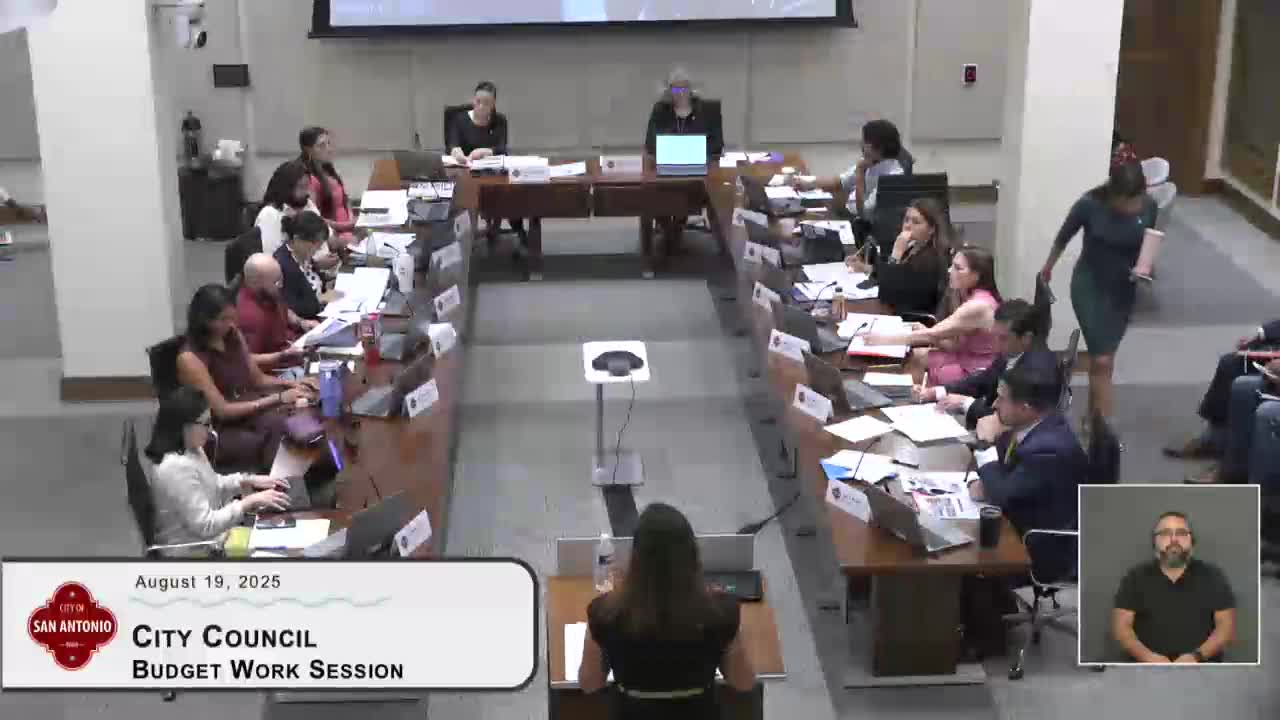
SAN ANTONIO — Presiding judges of the municipal courts presented the courts’ budget request and an overview of daily operations on Aug. 19, 2025, describing magistrate duties, specialized dockets for juveniles and alternatives to incarceration, and the court’s outreach and reminder-systems.
Judge Carlo (presenter identified himself as presiding judge) explained that municipal courts handle Class C misdemeanor violations, animal-related crimes and other city ordinance cases. He described magistrate duties — informing arrested persons of charges and rights, setting conditions for release, and issuing emergency detention orders when appropriate. The judges emphasized use of discretion to tailor conditions to the defendant’s circumstances, including payment plans, community service and alternatives when income is insufficient.
Judges described specialized dockets for juveniles and other case types that focus on education, compliance and rehabilitation; the court works with community partners to refer young people to enrichment and support services. They also noted that some community services are limited because many local providers operate with long waiting lists and limited free slots.
Court staff highlighted technology and customer-service improvements: expanded text reminders and online payments, which the courts said have reduced no-shows and administrative burden. The presentation included revenue and collections figures reported as available in staff materials; judges said they would provide additional case-by-case clearance and disposition data on request.
Council members asked the judges to provide more data on case dismissals and repeat offenders and to coordinate with police and county magistrates about duplicative magistrate duties. Judges said they would follow up with requested data and work to identify where duplicative procedures create operational burdens.
Ending — The courts requested funding for ongoing operations and outreach; council members asked for additional data on case outcomes, collections and community referrals to aid future budget decisions.