Get Full Government Meeting Transcripts, Videos, & Alerts Forever!
Get email alerts on the Tourism Economy topic
No spam. Unsubscribe anytime.
Visit Big Bear outlines plans for film office, film festival and elite sports training to boost year‑round tourism
Summary
Visit Big Bear presented an annual overview Aug. 13 proposing a new Big Bear Film Festival, a Big Bear Film Office and an elite athlete training program intended to grow off‑season visitation and diversify the local economy.
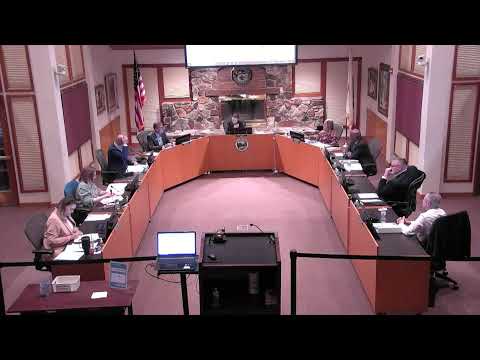
Visit Big Bear, the city’s destination marketing organization, presented its annual overview to the Big Bear Lake City Council on Aug. 13 and described a multi‑pronged plan to expand year‑round tourism through a relaunch of a film festival, creation of a film office, and formal recruitment of elite athletes and teams for high‑altitude training.
“Every dollar we spend is tied to a strategic priority and a measurable return,” Travis Scott, Visit Big Bear’s CEO, told the council. Scott said the organization is focusing on culture, business and community to convert existing infrastructure into more consistent economic activity beyond peak weekends.
The presentation said Visit Big Bear will invest $225,000 to relaunch the Big Bear Film Festival and forecast conservative local spending from the festival of $4 million to $8 million annually. Scott described the festival program as broad — film, television, gaming, music and immersive technologies — and said the organization already had secured media attention from national outlets during the initial announcement.
Visit Big Bear also proposed launching a grassroots Big Bear Film Office to streamline permitting and provide a single point of contact for production companies, arguing the change would make Big Bear competitive with other scenic locations that generate recurring production revenue. The organization said non‑studio productions commonly spend $250,000 to $3,000,000 locally and that repeat work can account for a significant share of permit revenue in small markets.
On sports tourism, Scott said Big Bear’s altitude and terrain make it attractive for high‑performance training. He said Visit Big Bear aims to welcome elite teams and athletes and cited an immediate example: the USA men’s and women’s rowing teams were scheduled for training in Big Bear. The bureau expects its cultural and sports initiatives to generate new revenue streams and more midweek and shoulder‑season travel.
Scott provided a budget snapshot showing Visit Big Bear had reached roughly 37% of projected income and held expenses at about 33% of budget to date. He asked the council for continued partnership and emphasized Visit Big Bear would take responsibility for some signature events going forward, including Tour de Big Bear and the Big Bear Fun Run, to promote stability and growth.
Council members asked for follow‑up information on the festival budget, film office staffing and the specific metrics Visit Big Bear will use to track local economic impact. Several council members asked for a separate briefing to review detailed budgets and staffing plans.
What happens next: Visit Big Bear and city staff agreed to follow up with more detailed briefings on the film office plan, the festival budget and the process to transition signature events to Visit Big Bear oversight.