Get Full Government Meeting Transcripts, Videos, & Alerts Forever!
Get email alerts on the Municipal Fees topic
No spam. Unsubscribe anytime.
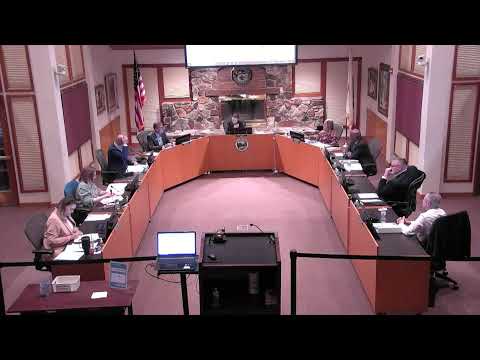
Big Bear Lake council adopts 3‑year master fee schedule; caps nonprofit and school PAC increases
Summary
City Council voted 3-2 on Aug. 13 to adopt a three‑year phase‑in of an updated master fee schedule after a public hearing and debate; the final motion limits increases for nonprofits and local schools using the Performing Arts Center to no more than double current rates over the three years.
The Big Bear Lake City Council voted 3-2 on Aug. 13 to adopt a three‑year phase‑in of an updated master fee schedule and set a cap so fees for nonprofit and school uses of the Performing Arts Center (PAC) will not rise by more than double current rates over the three years.
The action follows a citywide fee study by Matrix Consulting Group and a public hearing during which residents, nonprofit leaders and performing arts teachers urged the council to limit increases for community organizations and school programs.
Matrix consultant Khushbu Engel told the council the study examined 267 fee line items and used a bottom‑up method based on staff time and fully burdened hourly rates. “Based on the analysis conducted, which is a snapshot in time, the city is under recovering by approximately $445,000, so a 60% cost‑recovery level,” Engel said during the presentation. The study offered two implementation options: a five‑year phase‑in and a more accelerated three‑year phase‑in.
Several community speakers warned that steep increases would put local school performances and small nonprofit events out of reach. “The PAC is the only viable theater in the Valley for most of these student and community productions,” performing arts educator Diane Sloncabea said. “This 5‑year proposal will make renting the PAC cost prohibitive for our local performing groups and will discourage attendance at performing arts events due to higher ticket prices.” Beth Wheat of the Big Bear Theatre Project said higher PAC fees would slow the nonprofit’s progress toward becoming a sustainable regional theater.
Council members debated philosophy and timing as much as numbers. City Manager Eric said the city had not built increases into the current fiscal year budget and recommended implementing adopted fees in the next fiscal year; he also noted the city has invested in PAC repairs in recent budgets. Several council members said the city should recover more of the cost to provide user‑funded services but also acknowledged the PAC’s community role.
Council Member (name not specified in the public record) moved to adopt the three‑year phase‑in with the nonprofit/school cap; the motion was seconded by another council member (name not specified). Roll call votes were Mayor Melnick — aye; Mayor Pro Tem Segovia — aye; Council Member Hicks — aye; Council Member Putz — no; Council Member Herrick — no. The motion passed 3‑2.
The adopted schedule includes escalators tied to annual cost changes so fee levels do not fall out of alignment again, and the council directed staff to implement the fee changes in the next fiscal year accounting cycle. City staff and the Matrix consultant remained available to answer detailed, line‑by‑line questions after the vote.
In addition to PAC concerns, the study proposed changes across building, planning and engineering fees. Engel said building fees were moved toward full cost recovery and that planning fees (including special event permits) showed the largest deficit. The consultant and staff recommended charging more for some private‑benefit services while moderating increases for fees judged to provide broader community benefits.
Council members and staff agreed the schedule represents a policy choice about how much of the cost to pass to permit applicants versus subsidize through the general fund. The council also discussed revisiting fee policy if implementation proved to be a disincentive to development or to community events.
What happens next: staff will incorporate the adopted three‑year phase‑in into the next fiscal year budget and return with any implementing ordinances or administrative changes needed to apply the new line items. Several speakers asked the council to consider additional policies or discounts for schools and small nonprofits if future impacts require further mitigation.