Get Full Government Meeting Transcripts, Videos, & Alerts Forever!
Get email alerts on the Budget Public Safety Levy topic
No spam. Unsubscribe anytime.
City manager outlines 2.2‑mill public safety levy, says it would raise about $610,000 annually to shore up police and fire funds
Summary
City Manager Rob told the council the proposed 2.2‑mill public safety levy (Issue 3 on the November ballot) is intended to stop annual subsidies to police and fire funds and produce an estimated $610,198.43 per year. He presented background on municipal millage, explained the city’s fiscal position and outlined next steps for public information.
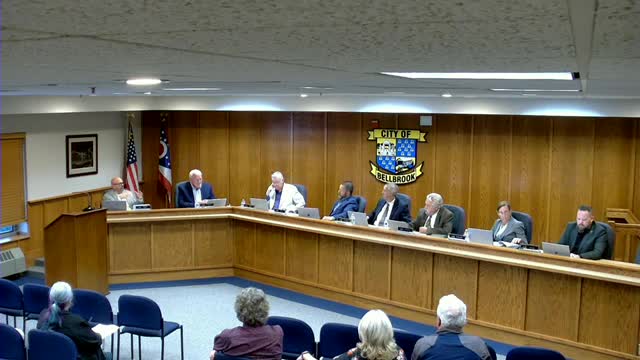
City Manager Rob reported to the Bellbrook City Council on Aug. 25, 2025 that the city will place a 2.2‑mill public safety levy on the November ballot (Issue 3), estimating the levy would generate $610,198.43 per year if approved.
Rob explained the levy’s purpose is to end subsidies now being taken from the general fund to cover shortfalls in the police and fire funds. He said the city has relied on reserves and transfers for several years and that without new revenue the city faces a choice of continuing to deplete reserves or reducing service levels.
Rob provided a plain‑language explanation of millage: a mill is one‑thousandth of a dollar. Based on the city’s assessed valuation, 2.2 mills equates to about $77 per $100,000 of appraised value (Ohio’s assessed calculation uses 35% of appraised value). Using those figures, the manager said a home appraised at $300,000 would pay roughly $231 annually, or about $19.25 per month, for the 2.2‑mill levy.
He said the levy proceeds would be dedicated to a public safety fund and “can only be used for police and fire” and therefore could not be shifted to other purposes. Rob noted the city receives only about 19.6 cents of every property‑tax dollar paid locally, with most going to the school district and other taxing districts.
Rob said the city’s police fund is projected to be depleted after this year and the fire fund will have about a year of subsidy remaining if nothing changes. He described three basic options municipalities face when revenues fall short: use fund balance, increase revenue, or reduce services; Bellbrook has been drawing on fund balance and will need to seek the additional revenue or cut services.
The manager told council the 2.2‑mill levy would raise approximately $610,198.43 (the administration cited the assessed valuation and mill calculation in the presentation). He said the city has been conservative with operations and has not had an operating levy increase since 2009, and that Bellbrook is one of a small number of Ohio municipalities that do not levy an income tax.
Rob said the administration will expand public outreach and provide information on the city website’s “Get the Facts” page, including FAQs and breakdowns of how the levy would affect taxpayers. Councilmembers asked clarifying questions; one member noted the timeline and another emphasized that levy proceeds must remain dedicated to public safety.
Rob concluded by urging outreach and transparency and saying staff will produce additional materials and public presentations ahead of the November election so residents can judge the proposal. No formal council action on the levy itself occurred at the Aug. 25 meeting; the discussion was an informational report.