Get Full Government Meeting Transcripts, Videos, & Alerts Forever!
Get email alerts on the Education Plan topic
No spam. Unsubscribe anytime.
District leaders present 2025–2028 comprehensive plan; attendance and math achievement named top priorities
Summary
Administrators reviewed the district’s 2025–2028 comprehensive plan, emphasizing chronic absenteeism reduction and improved math instruction; board members asked for corrections to stakeholder lists and greater focus on special education goals.
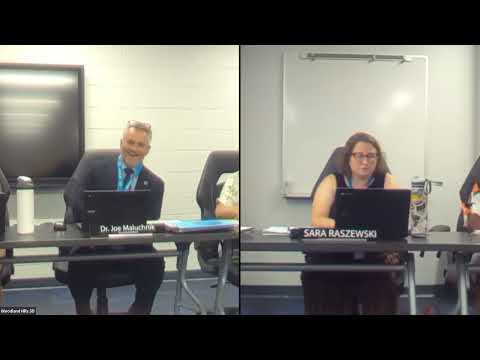
District administrators presented the Woodland Hills School District 2025–2028 comprehensive plan at the Aug. 13 agenda-setting meeting and framed the plan’s top priorities as reducing chronic absenteeism and improving student outcomes in mathematics.
Dr. Wilson, who led the presentation, said the district’s top priority for the next three years is to increase student attendance. “Our number 1 priority over the next 3 years is get kids in the building,” Dr. Wilson said, citing high chronic-absenteeism rates since the COVID period and pointing to research-based practices the district will expand.
Wilson said the district also is addressing math performance through curriculum alignment, vertical alignment K–12 and targeted instructional leadership. “We rely heavily on either curriculum out of a box or curriculum that was created 20 years ago,” Wilson said, arguing the district must align curriculum to current standards and differentiate instruction to close racial achievement gaps and support students starting multiple grade levels behind.
Board members asked for technical fixes to the draft plan’s steering-committee roster (suggesting individuals listed as board candidates be described instead as community members where appropriate) and for clearer language on services for students with individualized education programs. Administrators responded that special education remains a district priority and that targeted work occurs within the special-education department even if not repeated as a standalone goal on every page of the plan.
Additional items discussed included a renewed emphasis on principal instructional leadership, expanded use of nationally normed interim assessments (NWEA MAP), and ongoing professional development and curriculum-writing work completed over the summer. Administrators said they started the planning earlier this cycle and used public meetings, surveys and external partners to analyze data.
What’s next: the administration sought board approval of the comprehensive plan for submission to the state; board members requested minor edits and clarifications to the stakeholder list and asked for continued emphasis on special-education goals and measurable targets for math.