Get Full Government Meeting Transcripts, Videos, & Alerts Forever!
Get email alerts on the Arts Funding topic
No spam. Unsubscribe anytime.
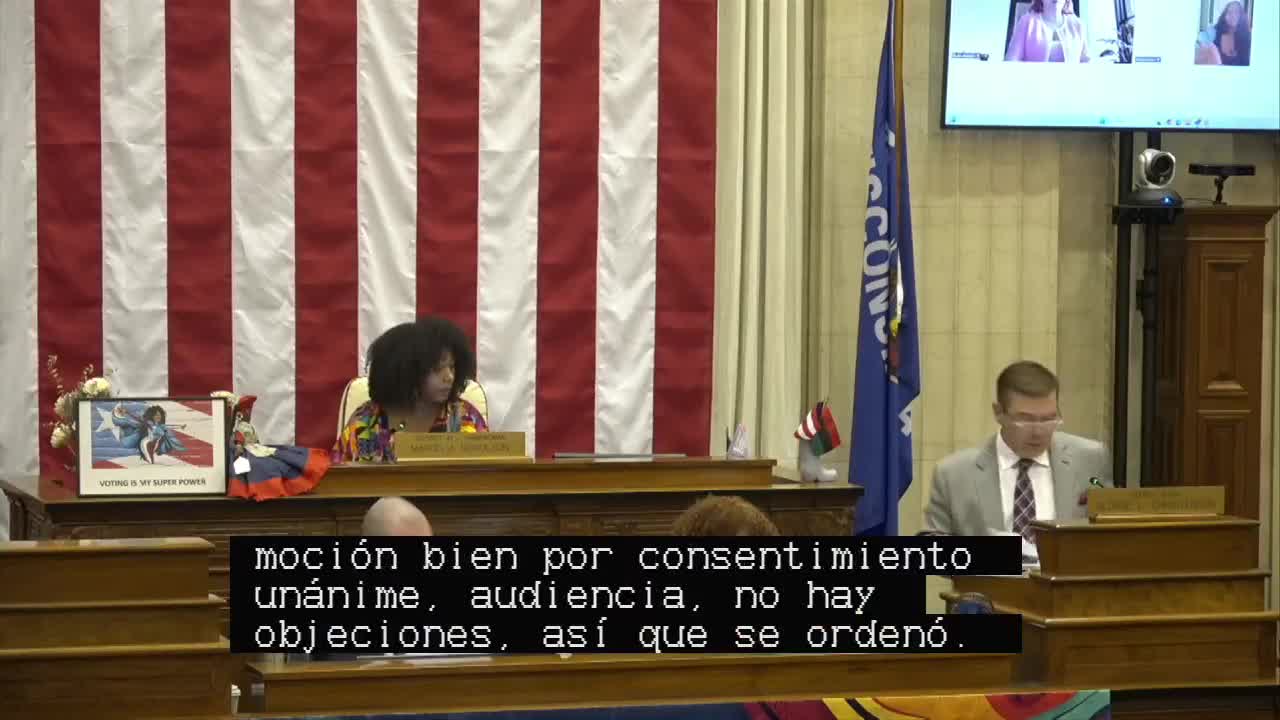
Board amends CampACT allocations and orders new funding formula after committee objections
Summary
After finding committee concerns about a "one-size-fits-all" distribution, the board adopted an amendment to CampACT arts allocations that honors promises to groups while directing the committee to develop a new funding formula with arts experts.
Milwaukee — The Milwaukee County Board on Sept. 18 adopted an amendment to the 2025 CampACT fund allocations after parks committee members objected to a distribution approach that had been promising equal checks to all qualified applicants.
Supervisor Wasserman, chair of the parks committee, described the committee's objection: staff had told applicants they were "guaranteed a check" prior to final board approval, which committee members said should not have happened. Members voted in committee to reject the formula and asked for a revised approach. The board's adopted amendment both makes the previously promised payments to groups "whole" for this cycle and directs CampACT to work with arts experts (including UPAF) to design a new funding formula that accounts for track record, organizational size and inclusiveness.
Wasserman said, "Everything equal is not everything equitable," arguing the county should move beyond a one-size-fits-all approach. The amended plan requires the parks fund committee to consult experts and return with a new proposal for approval by June 2026.
Why it matters: Hundreds of small arts groups rely on CampACT allocations for programming. The parks committee sought to avoid repeating a distribution method that treated all applicants identically regardless of performance or community reach.
What happens next: The amendment preserves payments this cycle to organizations already told they would receive money, while requiring CampACT to develop a new, equity-minded distribution model in consultation with arts-sector experts and to present that model to the board by mid-2026.