Get Full Government Meeting Transcripts, Videos, & Alerts Forever!
Get email alerts on the Mental Health Access topic
No spam. Unsubscribe anytime.
Committee considers counseling interstate compact aimed at expanding mental‑health access in rural Michigan
Summary
Representative Bonac told the House Rules Committee HB 4591 would join Michigan to a counseling compact to let licensed professional counselors practice across state lines and by telehealth; committee members asked about state authority, standards and fiscal impact and the sponsor said the compact would not alter Michigan’s scope of practice.
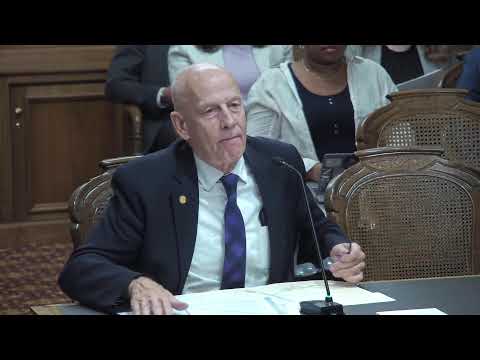
Representative Bonac testified in favor of House Bill 4591, which would sign Michigan onto an interstate counseling compact that allows licensed professional counselors to practice across state lines and provide telehealth services to residents of member states.
Bonac said the compact would expand access to mental-health services, ‘‘particularly in the Upper Peninsula,’’ where provider shortages and long drive times have limited in-person care. ‘‘Many patients face long drives just to get the help they need,’’ Bonac said. ‘‘This compact would allow professionals to enter our communities without regulatory barriers and make telehealth more accessible.’’
Committee members asked whether joining the compact would cede state authority over licensing and what effect it would have on Michigan’s professional standards. Bonac said the compact ‘‘has no impact on the state's scope of practice’’ and that Michigan’s regulatory system would remain in place. Members also asked about fiscal costs; Bonac said he did not have a fiscal estimate but expected the compact would not transfer regulatory control to the compact commission.
Written support and testimony on the record included Dr. Schaeffer of the Michigan Licensed Professional Counselor Association; Abigail Immortal of the Council of State Governments submitted neutral testimony. Several organizations submitted written comments in support or neutral positions, including the Michigan Hospital Association and other stakeholders.