Get Full Government Meeting Transcripts, Videos, & Alerts Forever!
Get email alerts on the Land Use Setback Variance topic
No spam. Unsubscribe anytime.
Board of Adjustment approves Redbud Farm School setback variance with landscaping and fence conditions
Summary
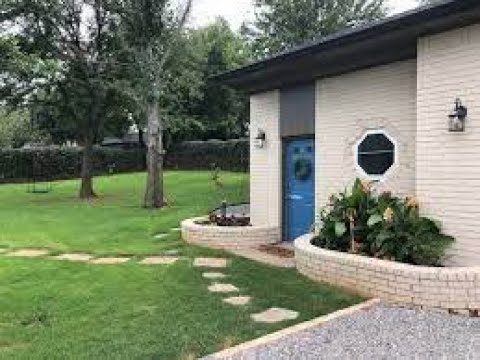
The Oklahoma City Board of Adjustment voted to approve Case No. 16033, allowing Redbud Farm School to keep a new classroom building that sits inside the 25-foot rear-yard setback required in the AA Agricultural zoning district.
The Oklahoma City Board of Adjustment voted to approve Case No. 16033, allowing Redbud Farm School to keep a new classroom building that sits inside the 25-foot rear-yard setback required in the AA Agricultural zoning district. The motion passed with conditions to reduce the project’s visual and privacy impact on adjacent homeowners.
The school’s representative, David Dooley, said the structure was about 90% complete when the setback issue was discovered and that staff and contractors had relied on approved plans. “We have been asking the city for permission to build this building for approximately 18 months,” Dooley said. He told the board the school provides outdoor- and farm-based instruction and that the classroom was intended to expand capacity for 105 students.
Neighbors, represented by attorney Mark Clayborn, urged the board to deny the variance or require mitigation. Clayborn read a statement from a long-time neighbor, identified in the record as Miss Russell, saying frequent student activity, picnic tables and play equipment had led to items entering her yard and repeated disturbance of her property. Neighbor Greg Barnhart said the building’s proximity — about 10 to 15 feet from the shared property line — visibly changed the block and diminished the rural character that AA zoning is meant to protect.
City staff said plan review and inspections did not flag the setback error. Scott Wise, Oklahoma City Development Center manager, told the board that municipal code Chapter 12-59 clarifies that plan review and inspection do not relieve owners or contractors of compliance responsibility. He said the error likely was not caught in plan review or at foundation inspection.
Board members said they were concerned about the neighbors’ experience and wanted measures to reduce impacts. The board’s approved motion included the following conditions: a 6-foot privacy fence along the east property line (the side adjacent to the most vocal neighbor) and the planting of 2-inch caliper evergreen or large-canopy trees at roughly 20-foot centers along the same property line. The board also directed the applicant to coordinate with the neighbor to address immediate site maintenance issues noted during public comment, such as moving picnic tables and removing debris.
The board chair explained the decision as balancing the city’s zoning standards with the realities of an advanced construction stage: the foundation and framing were largely complete and moving the structure back would require demolition and significant expense. The chair noted the approval was a zoning variance only and did not change applicable building or fire code requirements.
Neighbors said the conditions were a step in the right direction but asked staff to track follow-up compliance. The board recorded the variance as approved with conditions; a formal vote tally was taken but individual vote names were not recorded in the transcript.
Why it matters: The decision preserves a growing school program that several parents said benefits students, while requiring mitigation intended to protect an adjacent elderly resident’s property and preserve neighborhood character.
What’s next: Staff will include the variance conditions in the permit record and the applicant must implement the fence and landscaping as a condition of approval. Any continued complaints about code or license violations will be handled by city code enforcement.