Get Full Government Meeting Transcripts, Videos, & Alerts Forever!
Get email alerts on the Zoning Nonconforming Lots topic
No spam. Unsubscribe anytime.
Council approves first reading of amendment tightening development on nonconforming lots after heated debate
Summary
After public testimony and a lengthy council exchange, council approved first reading of a zoning amendment intended to enable development of nonconforming lots while restricting certain permitted uses; a motion to remand to planning failed.
The City Council approved on first reading an amendment to the zoning code (item 12w) intended to enable development of nonconforming lots of record while ensuring new development remains aligned with surrounding neighborhoods. The measure drew extensive public comment and a substantive council debate.
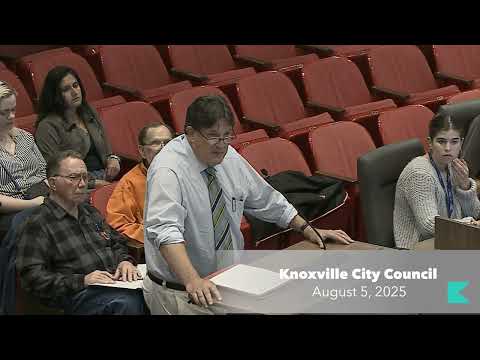
Planning staff described the change as "intended to enable development of nonconforming lots while ensuring the development remains aligned with the neighborhood in which the lot is located." Several residents and developers spoke at the meeting. Logan Higgins, a resident, urged council to reconsider a provision that would limit permitted and special uses on nonconforming lots to single-family houses, warning that the change would remove options (such as duplexes) on lots created under older plats.
Developer Bentley Marlow and small-developer speakers described examples on narrow lots where a duplex, triplex or other "missing middle" configurations could provide lower-cost homeownership options. Spencer Staley, a developer, provided site plans showing single-family, duplex and triplex options for the same footprint and said per-unit prices for triplex units would be substantially lower.
Councilmember Reiter, who introduced discussion on the item, said the amendment addressed a gap where some very narrow existing lots had been left out of the post-recode pattern and that minimum lot widths and areas were established during the 2018-2019 recode process. Opponents urged more public review; a motion to remand the amendment back to planning for more study was moved and seconded but failed on a voice vote. The council then voted to approve the ordinance on first reading.
Why it matters: The code change affects how older, substandard lots in several historic and inner-city neighborhoods can be developed. Supporters said it will guide consistent, neighborhood-aligned infill; critics argued it could limit missing-middle housing options on lots where duplexes or triplexes could add affordable units.
Next steps: The item passed first reading and will return for second reading before final adoption. Planning staff and council members suggested additional stakeholder conversations could still occur prior to final action.