QCSD reports device rollout nearly complete; E‑Rate reimbursement and network upgrades pending
Loading...
Summary
Quakertown Community SD technology staff told the communications committee Aug. 19 that kindergarteners will receive new iPads in class, about 700 student devices were distributed this summer with roughly 60 still to deliver, wireless controllers have arrived, and E‑Rate reimbursements expected later this year once switch hardware is installed.
Quakertown Community SD technology staff reported Aug. 19 that the district’s summer device distribution is nearly finished and that federal E‑Rate reimbursements tied to recent networking purchases are expected later this year.
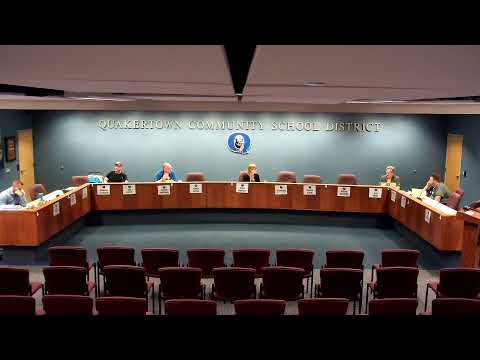
The update came during the school district’s communications committee meeting. Joe, a technology staff member, said all kindergarten students will receive brand‑new iPads in class, and the district ran five pickup sessions for students in grades 2 and 6. "I wanna say we roughly got up close to 700 devices," Joe said, and he added that about 60 devices still need delivery to school buildings.
Committee members said ninth‑grade devices are being provided during freshman orientation, though the exact timing was described as tentative. Joe also reviewed infrastructure purchases made this summer: wireless controllers have arrived and been racked, while network switching gear had not yet arrived at the time of the meeting. He said the district will submit its E‑Rate paperwork through the district’s E‑Rate consultant and USAC for reimbursement once the equipment is received and installed.
Why it matters: the district’s device program affects daily access to digital learning for students and the timing of reimbursements affects the district budget. Joe said the district typically receives E‑Rate reimbursements in the fall, but because some hardware had not arrived the reimbursement timing was pushed later. "I'd say October is usually when we get it, but ... probably, November, December, we'll get the reimbursement check for, I think it's somewhere around a half million dollars back to the district," he said.
On service interruptions and installation strategy, Joe described a phased approach aimed at avoiding classroom disruption. He said wireless gear can be migrated by racking new controllers side‑by‑side and switching traffic over. For switches, the district is identifying and reusing active data drops rather than reconnecting every historical cable: "We're just patching in what we need. And then as needs come up, we can add those ones back in," he said. The work is planned primarily for weekends to limit interruptions.
Joe also reported that the district’s Dell VxRail hardware is installed and that the team is migrating from the old VxRail to the new hardware; he described that work as operational and running well.
Questions raised during the meeting touched on distribution communications to families and the district’s decision to stop annual year‑end device collection to reduce reimaging and inventory workload. On how families should proceed if a student has not yet received a device, Joe said devices "will be brought to the building, and then the building will communicate with the families." He cautioned against posting distribution details too early to avoid creating extra pick‑up traffic at the central office.
Next steps: the district will complete device deliveries to buildings, receive and install remaining network equipment, file final E‑Rate paperwork with the district’s consultant and USAC, and expect reimbursement later in the calendar year once filings are processed.