Get Full Government Meeting Transcripts, Videos, & Alerts Forever!
Get email alerts on the Fleet Insurance Trust topic
No spam. Unsubscribe anytime.
Highlands school leaders hear pitch for joining Fleet insurance trust; consultants point to pharmacy and stop‑loss savings
Summary
Highlands County School District trustees and staff heard a presentation on Fleet (Florida Educator Health Trust) that outlined projected 7–13% district savings over five years, a $22.25 per‑employee monthly membership fee, and pharmacy contract scenarios that could reduce annual net drug spend from about $5.5 million to roughly $4.8–4.9 million.
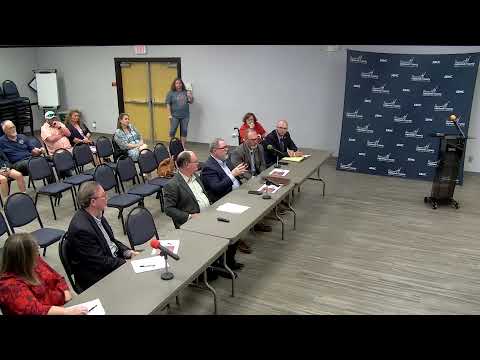
Highlands County School District trustees and staff on Friday heard a presentation on joining the Fleet insurance trust, a nonprofit health‑benefits trust for Florida school districts, and asked detailed questions about financial risks, clinic data integration and local broker roles.
The presentation, led by Andy Lethbridge, deputy superintendent, and Ted Rausch, former Suwannee County superintendent and Fleet advocate, explained Fleet’s structure and services and highlighted pharmacy and stop‑loss purchasing as potential near‑term savings areas. “It’s been no secret that we’ve had struggles with our health insurance, and costs have been rising, faster than the revenue has been rising,” Lethbridge told the board during introductory remarks.
Fleet representatives and partner vendors described how the trust pools districts to gain buying power and operational services otherwise handled by each district. “Fleet operates on a flat per employee per month,” the presenters said; Fleet membership for a district the size of Highlands was described as $22.25 per employee per month. Presenters estimated a conservative district savings range of 7% to 13% over five years if Highlands joins Fleet rather than remaining independently self‑insured.
Why it matters
Board members said rising health‑care costs are pressing employees and district budgets, and they asked whether joining Fleet would alter provider networks, clinic operations or employee benefits. Fleet presenters emphasized member autonomy: districts keep control of carrier, network and benefit design unless a district chooses to change them. “You have total autonomy of your plan,” a Fleet representative told the meeting.
Key details and projections
- Pharmacy spend: Fleet consultants analyzed Highlands’ current pharmacy data and presented an estimate that Highlands’ current net pharmacy spend would be about $5,500,000 under the existing contract. Two alternative purchasing options run through large group purchasing arrangements were shown to reduce net spend to about $4,800,000–$4,900,000, a first‑year savings estimate of roughly $600,000 that the presenters said could grow to about $1.9 million over three years given annual pharmacy trend assumptions.
- Membership fee: Fleet’s services were described as funded by a flat fee of $22.25 per employee per month (dependents and non‑covered employees not charged), which Fleet staff said supports analytics, procurement and auditing services that drive the projected savings.
- Stop‑loss and risk sharing: Presenters explained Fleet’s approach to stop‑loss purchasing and a risk‑sharing pool for the $100,000–$500,000 band, which spreads large claim volatility across many districts. Presenters said joining larger pools reduces year‑to‑year premium volatility compared with a single district’s experience.
- Data warehouse and clinics: Fleet partners said medical, pharmacy and clinic data are combined in a Fleet data warehouse that is not owned by any carrier so data remains available to a district if it later changes vendors. The new district clinic vendor mentioned in the meeting (CareATC) would be assessed alongside pharmacy contracts; a Fleet analyst said they would “analyze the pricing that this CareATC is offering you versus the OptumRx or anyone else and give you that objective opinion.”
Vendor and governance notes
Speakers identified partner organizations working with Fleet: Avail Analytics, Avail Benefits, Alliant Insurance Services (broker/actuarial/stop‑loss placement), OptumRx (current pharmacy vendor under Florida Blue), CVS Caremark, HealthTrust (a large purchasing pool referenced by presenters), and the Florida Association of District School Superintendents (which sponsors the trust). Jim Powell of Alliant said, “We negotiate the medical ASO agreements, the stop loss, the pharmacy benefit management,” and walked the board through the pharmacy‑pricing examples.
Questions and board concerns
Insurance committee members and trustees asked whether provider networks or benefit levels would change if Highlands joined Fleet; Fleet presenters repeatedly said benefits and networks remain under district control unless the district elects otherwise. Committee members asked about initial and ongoing costs, how local agents fit into Fleet’s model, and how clinics’ on‑site dispensing would be handled. Fleet staff said state law requires an agent for placement of stop‑loss and ASO contracts but that hiring a local agent to support communications and member services is optional.
Board next steps and context
Presenters said many districts are in various stages of joining Fleet — some fully insured districts need longer transition timelines — and that a district typically begins the process by the local school board adopting a short participation agreement. No formal vote to join Fleet took place at Friday’s workshop. The presentation concluded with trustees thanking the insurance committee and staff for arranging the briefing; the board agreed to continue evaluating Fleet and its projected savings.
Ending
District staff and the insurance committee will continue follow‑up work, including detailed data analysis of Highlands’ pharmacy, clinic and stop‑loss contracts. Officials emphasized the presentation was an informational step toward any future board action rather than a commitment to join Fleet.