Get Full Government Meeting Transcripts, Videos, & Alerts Forever!
Get email alerts on the Economic Development Main Street topic
No spam. Unsubscribe anytime.
Main Street director: strategic plan in place but program risks closure without more funding
Summary
Main Street reported FY24 results and a new strategic plan, but the executive director said rising costs and shrinking revenue threaten staff, programs such as Main Street Bucks and veteran banner initiatives, and the organization is seeking additional investment and partnerships to sustain operations.
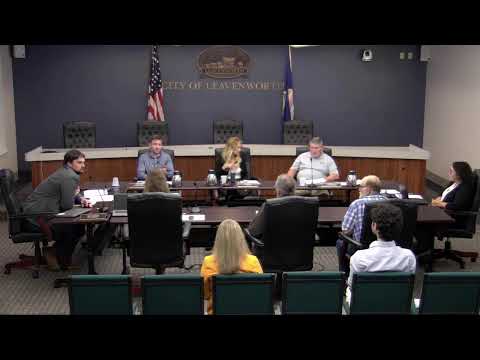
Main Street’s executive director presented the program’s fiscal-year-2024 results to the Leavenworth City Commission and warned that rising costs and limited funding threaten the organization’s ability to continue current services without additional investment.
The director said she joined the organization in March 2024, hired a marketing and events coordinator in June, and oversaw a board leadership change when Scott O’Neil resigned and Ken Bateman stepped in as interim president. Main Street reported increasing revenue during FY24 and delivering a range of downtown programs measured through the group’s four-pillar approach — economic vitality, organization, design and promotion — but staff said operating costs have grown and the organization is at a precarious funding point.
Main Street listed revenue sources that include the city (described as its largest investor), event sponsorships and fundraising, office and apartment rentals, and small grants. The director reported the program put roughly $45,000 of Main Street Bucks into downtown commerce in FY24; she said the school district purchased about $35,000 of those vouchers. The organization reported several event successes including Live After 5 (more than 500 tickets sold), Moonlight Market (300+ attendees the first year, 500–600 the second) and Rev and Rock/Jeep Fest (about 500 attendees this year). The IWW loan program — a 0% loan up to $20,000 for Main Street investors — has supported more than two dozen businesses, the presenter said.
The director said insurance costs rose about 40% this year and other operating costs increased; she said Main Street has only two paid staff (an executive director and marketing coordinator) and relies heavily on volunteers and committee chairs to run programs. She asked city leaders for help in securing additional financial support, in-kind services and partnership opportunities — including possible downtown space and joint economic-development outreach with LCDC and the chamber — to preserve staff capacity and the organization’s work on revitalization and preservation.
Commissioners and audience members pressed for specifics on vacancy strategies downtown, and the director described a developer toolkit, a public art exhibition to activate vacant storefronts, 3D building-scanning plans and a BoonsTracker building-inventory tool to support leasing and investment.
The presentation included a strategic plan developed after a state grant-funded board retreat. The director said the plan focuses on place-based economic development, facade preservation, and diversifying downtown businesses. Main Street noted grants applied for (including a USDA rural business grant for a downtown master plan that is pending) and asked for joint efforts with city economic development to attract larger-scale investment.