Get Full Government Meeting Transcripts, Videos, & Alerts Forever!
Get email alerts on the Transit Lease Proposals topic
No spam. Unsubscribe anytime.
Three businesses pitch to operate inside Kenosha Metro Station; commission given scoring cards, no decision
Summary
Three applicants — Kenosha Coffee Roasters, a proposed mini-mart (Bids Inc.), and Smokehouse Coffee Bar — presented plans to lease space at the Kenosha Metro Station. Commissioners received proposal scoring cards and asked questions about timeline, costs, staffing and signage; no lease decision was made.
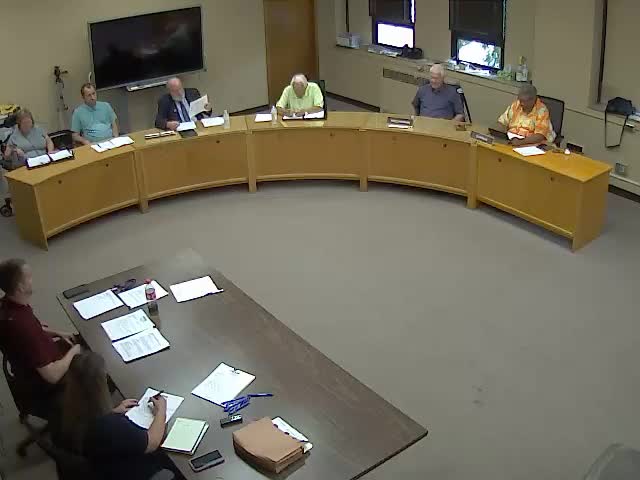
On Aug. 11, 2025 at a meeting of the Kenosha License and Permit Committee, three prospective operators presented business plans to occupy retail space inside the Kenosha Metro Station. Committee members were given scoring cards to evaluate the applicants but did not vote; the committee invited the applicants back for the Sept. 15 meeting for further consideration.
The presentations aimed to show how each operator would serve transit riders and nearby residents and to surface questions about utilities, signage and operations. Administrator Morrissey said staff had prepared a scoring card showing criteria including experience and qualifications, business plan viability, financial strength, community impact and maintenance and operations, and that the commission could use those cards to guide a later selection.
David Celebre, an attorney, spoke on behalf of Kenosha Coffee Roasters and introduced owner Trevor Brooks. Brooks said the proposal would operate primarily as a coffeehouse serving Metra riders and neighborhood customers, then close midday to roast beans for retail and wholesale distribution. Brooks estimated an opening by mid-March 2026 and initial build-out costs of about $50,000, depending on equipment choices. He said the station cafe would likely employ 2–4 people initially and that funding plans included a pitch to the Kenosha Innovation Neighborhood and other grant opportunities.
A second applicant, identified as Candace (last name not specified) and her husband, proposed a mini-mart model they said would serve everyday needs for transit riders and nearby residents. They estimated startup costs of about $60,000 funded by personal investment, said they could open in about three to four weeks if awarded a lease, and indicated an initial staff of three (themselves and a family member), expanding as needed.
Dave Pipes, presenting a third proposal under the name Smokehouse Coffee Bar, described a combined coffee-bar and barbecue concept. Pipes told the commission he expects 4–7 employees in the first year and estimated startup costs at about $70,000; his team described experience operating food trucks and catering, and said they would seek to partner with local organizations and first responders for community events.
Commissioners pressed applicants on several recurring issues. Commissioner Andrew Schmidt asked whether existing locations would close if the applicants opened in the station; Brooks said his existing takeout shop would remain. Commissioners asked each applicant whether they had conferred with Community Development about signage; the mini-mart applicant and Pipes said they had or were in preliminary contact, while the commission twice instructed applicants to confirm compliance with the city’s new sign ordinance before the next meeting. Applicants were also asked about responsibility for utilities, bathroom maintenance and sidewalk care; Brooks and the mini-mart applicants acknowledged they had not finalized all details and said they would work with the city and the transit administrator to clarify responsibilities.
Commissioners and staff also discussed operating challenges tied to the station environment, including concerns about public use of a leased space and options the applicants might use to manage lingering loitering or safety issues; Brooks said he had considered private security but emphasized a welcome approach to customers. Several applicants said they would coordinate with Metro and seek utility and schedule information to finalize proposals.
The commission was given a public scoring packet and asked to submit completed evaluation forms to transit staff by the end of the week; the commission chair noted those evaluation documents are public records. Administrator Morrissey reiterated that this agenda item was listed for discussion only and that the committee would not approve a lease at the Aug. 11 meeting. All three applicants were invited to appear at the committee’s next meeting on Sept. 15 for follow-up.
The discussion provided timelines, cost estimates and staffing projections for each proposal but did not produce any formal action or lease award.