Get Full Government Meeting Transcripts, Videos, & Alerts Forever!
Get email alerts on the Governance topic
No spam. Unsubscribe anytime.
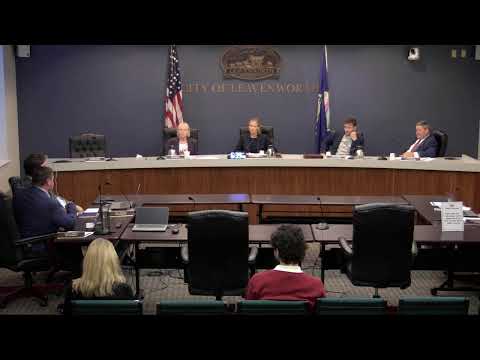
Commission directs staff to draft options for filling commission vacancies; debate over appointments vs. special elections
Summary
The Leavenworth City Commission asked staff to return with multiple draft options for filling a vacant commissioner seat, including appointment, special election, or a hybrid based on time remaining in the term.
The Leavenworth City Commission discussed proposed amendments to the city code to establish a clear process for filling vacancies on the governing body and directed city legal staff to return with multiple options.
City Attorney David (name provided in the meeting) told commissioners he had found no clear provision in the existing city code for filling a vacant commissioner seat and proposed language that would allow the mayor (or mayor pro tem if the mayor's seat were vacant) to recommend a qualified elector for the governing body to confirm. "Given the potentially short terms in council seats ... would it be worth the time and money to go through a special election process?" he asked, framing the appointment option as common in many cities.
Commissioners voiced differing views. One commissioner said a special election preserves "the will of the people" and noted election costs could be roughly $16,000 (figure reported by the speaker). Others favored keeping the appointment path for short remaining terms because of cost and the time needed to arrange elections. Several commissioners asked staff to draft three written options: a pure special-election process, an appointment process, and a hybrid that would require appointments for short vacancies and elections when a larger portion of the term remains.
Outcome: The commission did not adopt an ordinance at the meeting. Instead, it asked staff to draft model language presenting three options (appointment, special election, hybrid) with timing thresholds and cost/time implications for review at a future meeting.
Why it matters: Without a clear code provision, a vacancy could leave residents underrepresented and complicate decisions that require a specified quorum or supermajority for some actions. Staff noted that vacancies can have practical consequences for votes on zoning protests and other items that require a particular vote threshold.
Next steps: City legal staff will prepare draft ordinance language and options for the commission to consider at a subsequent meeting.