Get Full Government Meeting Transcripts, Videos, & Alerts Forever!
Get email alerts on the Animal Welfare topic
No spam. Unsubscribe anytime.
Animal Care Services requests $33.6 million for FY26; expands clinics, outreach and spay/neuter efforts
Summary
Animal Care Services Director John Gary presented a FY2026 proposed budget of $33.6 million and highlighted two new spay/neuter clinics, a Pet Care Connect neighborhood outreach pilot, improved critical call response rates and gains in live‑release metrics for dogs and cats.
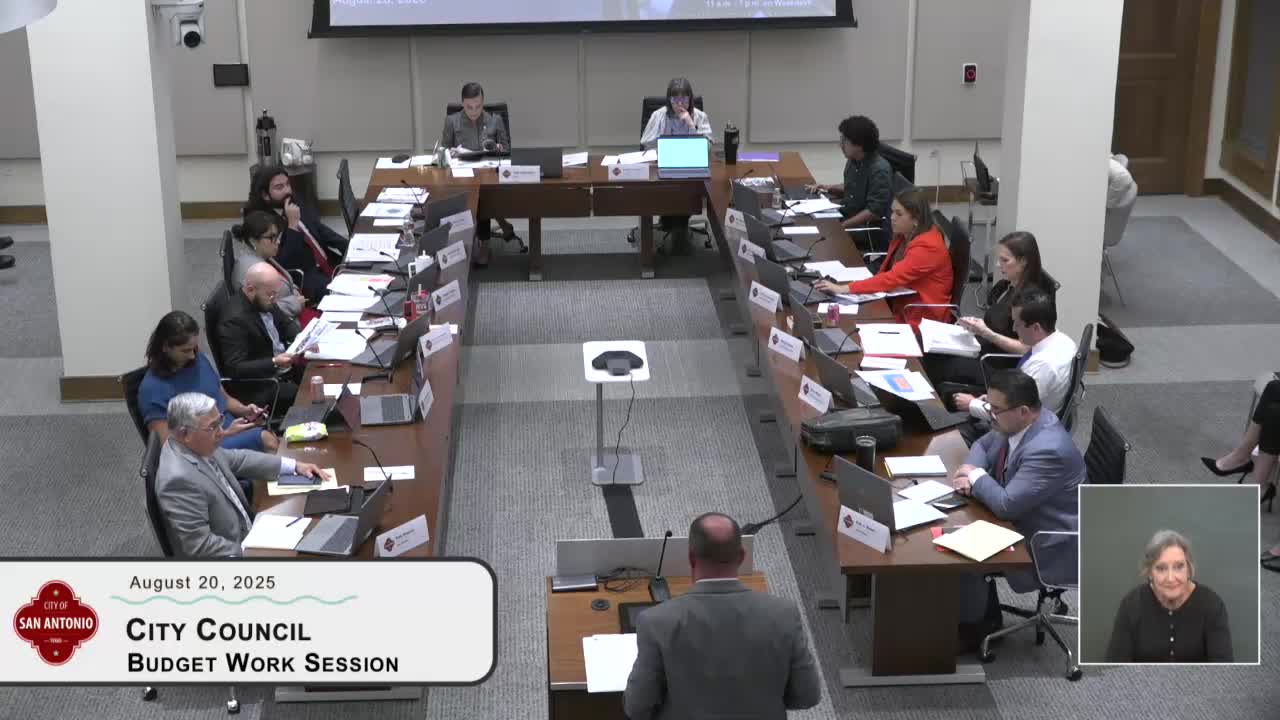
John Gary, director of Animal Care Services (ACS), presented the department's FY2026 proposed budget to City Council Aug. 20, asking for $33,600,000 and describing investments in field operations, clinic capacity and community outreach programs.
Gary said ACS would operate with 245 authorized positions under the FY2026 proposal. He told council that roughly 27 percent of the budget (about $9,000,000) supports field operations — public safety responses, dangerous‑dog investigations, cruelty investigations and follow‑up services — and that ACS spends about $6,000,000 annually on spay/neuter programs.
Gary highlighted operational improvements: ACS increased critical‑call response rates from about 44 percent in FY2023 to roughly 83 percent overall and achieved a 94 percent response rate for critical calls in July, a staffing milestone Gary said was aided by recent academy classes. Noncritical call response (strays, public nuisance calls and permits) rose to about 32 percent from 19 percent at program start.
Pet Care Connect: Gary described a neighborhood‑level pilot that identifies areas with high call volume and deploys multi‑division teams for door‑to‑door outreach, pop‑up vaccination and microchip clinics, and delivery of supplies. The program has reached roughly 4,000 homes with about 600 direct interactions and distributed more than 1,400 pet care resources (food, collars, microchips). Gary said staff have removed six dogs from chains and distributed over 100,000 pounds of donated dog food as part of the program.
Clinic expansion and placement: ACS opened two city‑run clinics this summer (West and East). Gary reported the clinics had completed about 700 surgeries so far and that the department's target for the coming year is 6,000 surgical procedures. He also said the department acquired a South Kennel Building to add roughly 30 kennels and additional small stainless kennels to improve placement of harder‑to‑place animals.
Outcome metrics: intake has risen (about 2,100 more animals entered shelter this year so far), but Gary said placement and transfer work has increased as well, including more than 12,000 transfers to rescue partners and a rise in pets returned to owners. Gary cited live release rates of roughly 85 percent for dogs, 90 percent for cats and 86 percent overall — figures he said rank second highest among large Texas municipal shelters.
Budget adjustments and revenue: Gary said proposed FY2026 reductions primarily affect temporary salaries and microchip procurement lines; he said no positions would be cut and core services would continue. ACS is proposing some fee increases for permits to boost revenue. Council members and board volunteers urged continued investment in spay/neuter clinics, full utilization of clinic surgery capacity and exploration of long‑term strategies to increase veterinary capacity, including possible tuition or workforce programs for veterinarians.
Why it matters: council members cited improved response rates and rising live‑release metrics as strong indications that recent ACS investments are paying off. Council members asked staff to track the Pet Care Connect pilot's impact on subsequent call volumes and to find ways to increase clinic throughput and surgical capacity.