Get Full Government Meeting Transcripts, Videos, & Alerts Forever!
Get email alerts on the Aircraft Penalty Aerocruise topic
No spam. Unsubscribe anytime.
Hearing officer sustains 10% non‑filing penalty for AeroCruise LLC aircraft
Summary
A Ventura County hearing officer sustained a 10% penalty for failure to file a required aircraft property statement for lien date Jan. 1, 2023. The assessor presented FAA registration and hangar records; the applicant said he had not received a timely notice. The hearing officer found the statute requires timely filing and sustained the penalty.
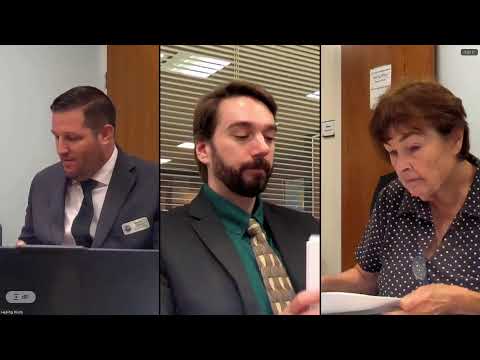
A Ventura County hearing officer on Aug. 18 sustained a 10% non‑filing penalty applied to AeroCruise LLC’s aircraft for the lien date Jan. 1, 2023, after finding the owner did not meet the statutory duty to file an annual aircraft property statement.
The assessor’s office, represented by Michael Gillinger, said the county mailed the required annual property statement to the FAA‑listed owner’s address and relied on the Camarillo Airport tenant list to identify the aircraft. Gillinger told the hearing that the county’s standard practice is to send the statement to the aircraft registrant and that Revenue and Taxation Code requirements impose the filing duty and the penalty for failure to file. The assessor presented FAA registration records, a Camarillo Airport hangar report listing the aircraft tail number M565P and hangar P110E, and insurance and registration copies showing an owner address in Hurricane, Utah.
Applicant Gabriel Cruz (AeroCruise LLC) disputed the penalty, saying the aircraft remained in maintenance and was not physically in Ventura County at the lien date in a manner that should trigger tax liability, and that he had called the assessor’s office and was told no penalty would apply. Cruz testified he later filed the 2024 and 2025 statements after receiving later notices.
Hearing Officer Sisk ruled the county had shown the legal requirements for a filing and that the owner’s lack of awareness of the filing requirement does not by itself excuse the obligation to file. Under the cited Revenue and Taxation Code sections and case law the county relied upon, the hearing officer sustained the 10% penalty for failure to file for the 2023 lien date.
The hearing officer also explained the distinction between the assessor’s mailing obligations and the statutory duty to file: while a jurisdiction should attempt reasonable notice, the statutory filing requirement can create a penalty liability even if the assessor did not secure the statement prior to the due date. The hearing closed with the penalty sustained; no named motion or roll‑call vote was recorded in the transcript.