Get Full Government Meeting Transcripts, Videos, & Alerts Forever!
Get email alerts on the Class Size Staffing Contracts topic
No spam. Unsubscribe anytime.
Parents, teachers tell Vancouver board that teacher moves and large class sizes harm students; classified staff contract urged
Summary
Multiple parents and union representatives told the board that moving a teacher seven days into the school year, large class sizes and high caseloads are harming students. Speakers also urged the board to settle the classified staff contract before a possible strike vote.
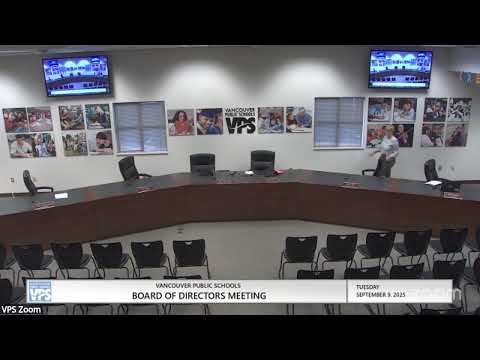
During the public‑comment portion of the Vancouver School District meeting, parents, a union president and classroom teachers described abrupt teacher reassignments, overloaded classrooms and high paraeducator turnover as harms to students and learning.
Parent and educator Sheila Swederick said her children’s fourth‑grade teacher had looped with the class from third grade and that district staff informed families mid‑week, seven days into school, that the teacher would be moved and her class redistributed. "Taking a teacher after 7 days, was extremely detrimental," Swederick said, adding that the change raised class sizes in affected fourth‑grade classes to 28 or 29, above the district‑referenced recommended threshold of 26.
Another parent, Lauren Gonzales, said the abrupt move disrupted children who had reconnected with their teacher after COVID‑era schooling: "It left both students and teachers discouraged and kind of losing trust," she told the board. Both parents urged the district to prioritize keeping teachers in place during the start of the year or to use temporary hires instead of midweek moves.
Jamie Anderson, president of the Vancouver Education Association, told the board that core high‑school classes in some schools exceed 40 students and ELA classes in middle schools top 42. Anderson said the district incurred $2,750,000 in overload costs last year and framed the issue as a student‑safety and learning problem: "It's not just a contract issue. It's a student safety and learning issue," she said.
Classified staff and paraeducator supporters urged the board to reach a contract settlement before a potential strike‑authorization vote scheduled by union leaders. Michelle Hammond, a parent and spouse of district educators, asked the board to finalize negotiations before the vote planned for Sept. 11, saying classified staff are "100% of [students’] job is student facing," and that losing those staff harms student attendance and belonging.
Several speakers called on the board to press state lawmakers for sustainable funding. Board members did not take formal action during the meeting on these specific public‑comment requests; the topics are slated for budget and staffing discussions this fall.