Get Full Government Meeting Transcripts, Videos, & Alerts Forever!
Get email alerts on the Racial Ethnic Disparities topic
No spam. Unsubscribe anytime.
JCPC schedules state "red data" briefing; members press for juvenile‑level breakdown
Summary
Buncombe County's Juvenile Crime Prevention Council set a Sept. 12 presentation from the state on racial and ethnic disparities data and pushed officials to provide counts of individual juveniles, not only complaint totals, to make local trends clearer.
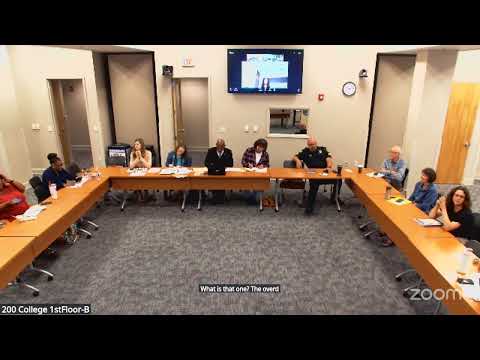
Buncombe County’s Juvenile Crime Prevention Council scheduled an in‑person briefing with the state’s racial and ethnic disparities (so‑called “red data”) trainer for Friday, Sept. 12, and members pressed state staff to provide juvenile‑level counts and not only charge/complaint totals.
Council members said the distinction matters because a small number of youths with many charges can make complaint counts look larger than the number of affected young people. Lorraine Williams, DJJ community programs area consultant, told the council the federal reporting her office distributes is pulled by complaint because that is what federal guidance requires, but that the state presenter typically adds juvenile‑level numbers and further explanation when she presents in person.
Why it matters: The council uses the red‑data review to identify racial and ethnic disparities at stages of the juvenile justice process — referral, substantiation, diversion, adjudication and post‑court supervision — and to inform committee planning and funding priorities. Members said they need clearer breakdowns to evaluate whether disparities come from many charges for a few youths or a larger number of youths affected.
Council members asked Crystal (state DJJ trainer) to either send the updated PowerPoint and the juvenile counts before the Sept. 12 session or postpone the presentation briefly so attendees can receive the baseline figures in advance and arrive prepared with questions. Lorraine Williams said Crystal often supplements the federal spreadsheet with additional local breakdowns when she presents in person, which is why the council preferred an in‑person session and requested the materials ahead of time.
Several members said the last statewide spreadsheet they received contained charge‑level counts only, which complicated comparisons across years and obscured whether increases reflected more charges per youth or more youths entering the system. Council members asked Williams to identify who pulls the underlying data if Crystal cannot provide juvenile counts directly and to request that the PowerPoint include both charges and the number of distinct juveniles represented.
The planning committee plans to hold a longer, half‑day session around the state presentation so members can dig into the data and follow up with questions. Members also requested that the presenter send the PowerPoint in advance so those unable to attend can still review it and submit questions.