Get Full Government Meeting Transcripts, Videos, & Alerts Forever!
Get email alerts on the Public Comment Tdcj topic
No spam. Unsubscribe anytime.
Public commenters press TDCJ board on death-row conditions, medical transport, commissary and water at Hobby; advocates call for accountability
Summary
Twenty-four registered speakers raised concerns about death-row conditions, medical transport, commissary and vending reliability, grievance processing, alleged retaliatory denials of tablets, hobby-unit water quality, and staffing shortages that limit recreation and showers.
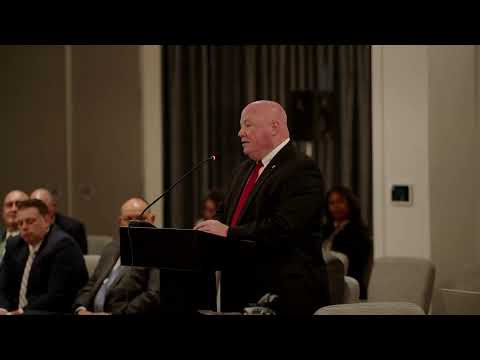
About two dozen members of the public spoke during the Texas Board of Criminal Justice meeting, raising repeated concerns about conditions of confinement, medical care and family communications at TDCJ facilities.
Speakers described alleged problems on death row including long stretches without showers, limited out-of-cell time, and delays in medical care. Multiple family members and advocates urged the board to investigate deaths and denied medical transports, and they provided personal accounts of what they described as preventable fatalities.
Several speakers described ongoing problems with food quality and commissary options, reporting identical poor meals at multiple units and vending machines that are often broken. Advocates asked the board to hold vendors accountable and urged improved vending choices and quality for both residents and visiting family members.
Medical transport and Plains State Jail Advocates with Lincoln Justice Impacted Women27s Alliance and others described repeated problems at Plains State Jail used for post-hospital stays and medical transports, saying people returning from surgery sometimes are left to sleep on metal bunks, do not receive meals on time, and remain there for days or weeks due to paperwork and classification delays. Family members and inside contacts told board members they had seen cases in which a person was stuck at Plains State for days, lost vocational enrollment, and had limited or no tablet access during the stay.
Tablets, mail and correspondence Speakers urged better continuity of communication during transfers and a more transparent process for denied incoming mail or messages. Several advocates said Securus message denials do not generate clear notifications to senders or recipients and that confiscated tablets or interrupted mail leave families without notice.
Blue warrants and electronic-monitor issues A public defense volunteer described a case in which a parolee spent four months in county jail across three separate "blue warrant" actions tied to alleged tampering with an electronic monitor. The speaker asked the board and parole division to examine whether technical issues and insufficient notice are triggering warrants that cause housing and employment disruption for people on supervision.
Contraband and emerging drug threats A speaker who follows narcotics intelligence warned about a newly identified class of synthetic opioids known as nitazenes (analog report) that have caused recent deaths in Harris County and are potentially more potent than fentanyl. The speaker urged the agency to track the threat and warn staff and facilities.
Hobby unit water and infrastructure Several speakers raised longstanding concerns about water quality at the Hobby and Marlin units, noting repeated boil-water notices in the surrounding municipality of Marlin. Advocates urged TDCJ to establish back-up water supplies, independent testing, and clear contingency plans during boil notices. Facilities staff said the agency requested design funding and partial appropriations in the 2025 session and is moving the project into design for a dedicated Hobby Unit water system.
Grievances, step twos and restricted-housing complaints Members of advocacy organizations and family members said internal grievance "step two" responses are disappearing at some units and that mail denials and grievance forms are inconsistently applied, particularly for women. Speakers asked the board to standardize rules, train mailroom staff, and ensure that correspondents receive notice when mail is denied.
Ending Board members thanked public commenters and said staff would collect written materials and follow up with relevant divisions. Several board members suggested sending comments and evidence to Board Services or to the Office of the Independent Ombudsman for review. The board did not take formal action in response to specific complaints during the meeting but recorded the concerns for follow up.