Get Full Government Meeting Transcripts, Videos, & Alerts Forever!
Get email alerts on the Zoning Code topic
No spam. Unsubscribe anytime.
Riverside staff outline UDO rewrite timeline and recommend six‑month moratorium extension
Summary
City planning staff reported on the unified development ordinance (UDO) rewrite schedule: an online survey and public outreach will inform Planning Commission deliberations; staff recommended extending the current land‑use moratorium six months to April to allow adequate review and hearings.
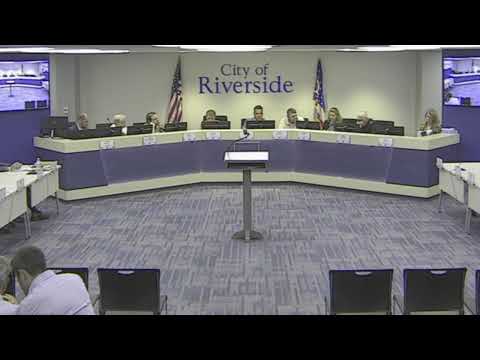
Riverside planning staff updated City Council on Aug. 18 about the ongoing unified development ordinance (UDO) rewrite and recommended a six‑month extension of the current moratorium to allow time for additional public comment, Planning Commission review and council deliberation.
Staff summarized outreach to date: an Aug. 6 two‑session open house (midday and evening) that presented board‑style comparisons between current code and proposed changes, and a forthcoming online survey that will reproduce those boards and solicit feedback. The survey will run for about three weeks and staff plans to summarize results for the Planning Commission meeting on the 17th (month not specified at the meeting) and then aim for a Planning Commission recommendation to council on Nov. 19, followed by council briefings and ordinance readings in December–February under the proposed schedule.
The manager said staff will likely bring a proposed moratorium extension at the next meeting because the current moratorium expires in October; legal counsel (unidentified attorney at the meeting) advised that an extension of six months is legally “reasonable” given the timeline and case law requirements for reasonable durations of moratoria.
Planning staff emphasized multiple public touch points including online and lobby displays for in‑person comments and that documents will be publicly available. Staff said the extension would serve as a buffer if Planning Commission or council require additional hearings.
The law director advised that extensions must be reasonable and that the timeline presented — public survey, Planning Commission review and council readings — supports a six‑month extension to April as consistent with Ohio precedent. Council members thanked staff for the daytime engagement option and encouraged continued outreach to residents who cannot attend evening meetings.