Get Full Government Meeting Transcripts, Videos, & Alerts Forever!
Get email alerts on the Budget Forecast topic
No spam. Unsubscribe anytime.
West Chester Area SD reports $10.6 million better-than-projected 2024-25 results; early 2026-27 budget shows $15 million shortfall
Summary
District finance staff reported unaudited 2024-25 results that improved by about $10.6 million versus projections, driven by lower payroll and stronger transfer and investment receipts; staff warned prescription drug costs and an unresolved state budget could widen a projected $15 million gap for 2026-27.
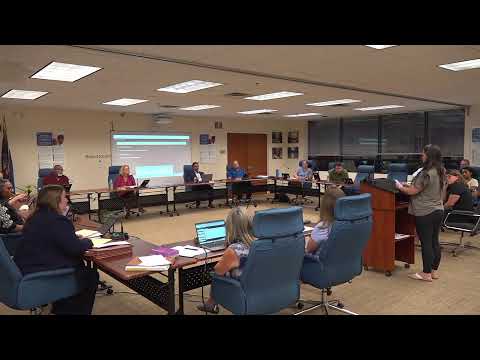
West Chester Area School District finance staff told the board on Aug. 25 that the district’s unaudited 2024-25 results were about $10.6 million better than the figures used in the May projection, and that the 2026-27 preliminary budget carries an early shortfall of roughly $15 million.
The findings came during the Property and Finance report when a district presenter summarized the August forecast model for the 2025-26 year and year-end 2024-25 results. “We did about $10,600,000 better than we had projected,” the presenter reported, attributing most of the improvement to lower-than-expected salaries and benefits and stronger one-time revenues.
Why it matters: The surplus generated this year will be used to offset part of next year’s projected deficit and help limit tax increases, but district staff warned of cost pressures that could reduce that buffer. Board members were told the district remains vulnerable to rising prescription drug costs and to the absence of an enacted state budget.
Key details - Revenue and expenditure variances: Salaries ran roughly $1.7 million under projection and benefits about $2.4 million under; professional and technical services increased by about $924,000 while other categories (property services, supplies, other services) were lower than projected. - One-time and timing items: Transfer taxes spiked owing to a large property sale (presenter said the transfer related to an approximately $27 million property sale) and investment earnings exceeded prior estimates by roughly $1.1 million. - Prescription drug costs: The presenter said prescription plan costs rose sharply late in the fiscal year (March–June) and that the district has scheduled meetings with benefits vendors (Gallagher and CVS) to seek containment strategies. - State funding uncertainty: Staff said no state budget had been enacted; the district remains short of full basic and special education funding and had recorded property tax rebate receipts already booked into revenue.
Budget outlook and next steps - The district has set aside the improved 2024-25 results to reduce the tax impact of the 2026-27 budget. Staff reported a preliminary $15 million deficit under an Act 1 increase scenario but emphasized the numbers are early and subject to change. - Finance staff plan further analysis and vendor meetings (benefits vendors) in September and expected to return with additional details at the December update and when auditors finalize the year-end figures.
Context and constraints The presenter noted that some revenue gains (transfer taxes and investment earnings) reflect timing and one-off transactions and that the unresolved federal/state policy environment (including potential cuts to Medicaid-related “medical access” billings) could alter future projections. Staff recommended caution on placing tax revenues into long-term investments until state funding clarity is regained.
Looking ahead Finance staff said they will continue monthly monitoring and expected to bring a more detailed out‑year forecast and cost‑containment plans to the board in the fall and at year‑end audit completion.