Get Full Government Meeting Transcripts, Videos, & Alerts Forever!
Get email alerts on the Summer Programs topic
No spam. Unsubscribe anytime.
Auburn Public Schools says summer programs served about 315 students; credit recovery, MLL support highlighted
Summary
At an Auburn School Committee meeting, district staff reported that roughly 315 students participated in a range of summer programs offering credit recovery, tutoring, and multilingual learner enrichment across K–12 schools.
District officials told the Auburn School Committee that summer programs across Auburn Public Schools served roughly 315 students and combined credit recovery, targeted tutoring and enrichment activities to support fall readiness.
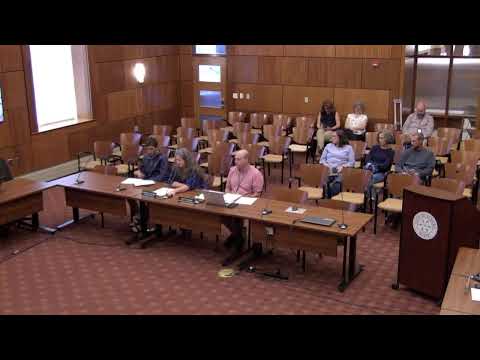
Dr. Sue Doris, superintendent, introduced the update at the committee meeting and said the district ran programs in every building from kindergarten through 12th grade to provide literacy, math and social-emotional supports. "The buildings were busy this summer," she said.
The district reported a range of program offerings and outcomes. Assistant Superintendent Scott Inneer described elementary and intermediate programs (K–6) at East Auburn, Fairview, Park Avenue, Sherwood, Walton and Washburn that provided small-group or one-on-one tutoring for literacy and math in 60–90 minute sessions up to three times per week. Sherwood Heights hosted rotating literacy, math and STEAM sessions including robotics, digital art and animation. Fairview combined tutoring with a Junior Achievement–style program rooted in students' IEP goals.
At the secondary level, Edward Little High School offered credit recovery: staff reported about 22 students recovered the equivalent of 40 half-credits. Franklin’s summer program also provided intensive academics plus outdoor learning and recovered 8.5 credits, the district said. Auburn Middle School ran a Camp Rise program for seventh- and eighth-graders, with roughly 20 students participating; staff reported 21 students showed improved academic standing.
Multilingual learner (MLL) summer enrichment served newcomer students. Alice Crawford (listed in the meeting as a staff member involved with MLL summer programming) told the committee her group of 12 students met in July and August and used place-based, nature-focused activities to reinforce academic skills and build confidence. "All of the students had to choose an animal and learn about it," Crawford said, describing a presentation at Maine Wildlife Park that also gave students experience speaking in front of unfamiliar audiences.
At Park Avenue, staff member Stephanie Maris said the school provided a different model that combined academic support with themed enrichment weeks. Park Avenue served 27 students and logged more than 900 service hours, Maris said, adding staff focused on reading, writing, language development and life skills such as name recognition and responding to basic "who/what/where" questions for students who arrived from out of district.
Assistant Superintendent Inneer and other staff emphasized high attendance and positive instructional reports across sites; Washburn was noted as hosting 28 students with strong attendance. Overall, district staff said programs strengthened social-emotional learning and community connections and should improve student readiness for the school year.
Committee members asked about staffing levels and credit definitions. Business Manager Amanda Kuchar said staffing varied by building — generally two to five staff per site, approximately 20–30 staff districtwide across programs. Kuchar explained high-school credits are semester-based: one semester equals one-half credit; combinations of half-credits can add to a full credit.
The committee did not take an action on the presentation; it was a report to inform members ahead of the start of school later in August.