Get Full Government Meeting Transcripts, Videos, & Alerts Forever!
Get email alerts on the Municipal Budget topic
No spam. Unsubscribe anytime.
Bay City manager presents proposed fiscal 2026 budget, recommends one-cent property tax reduction
Summary
City Manager Scotty presented a proposed fiscal 2026 budget that would lower the property tax rate by roughly one cent, keep most operations steady, fund limited staffing increases and set public hearing and rate-review dates.
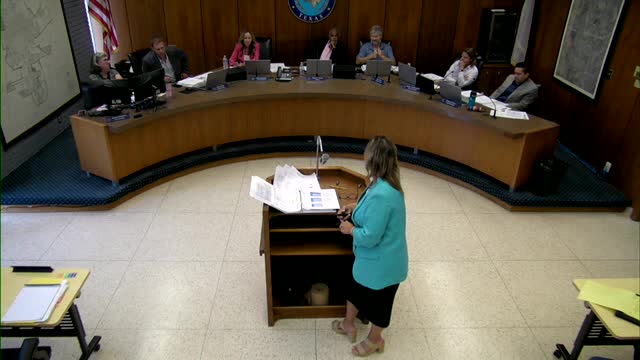
City Manager Scotty presented the City of Bay City’s proposed fiscal 2026 budget at a council meeting, recommending a proposed property tax rate of 0.55772 — about one penny lower than the current 0.56916 rate — and a schedule of follow-up hearings and workshops before final adoption.
The proposal, described at length by Scotty, would hold overall citywide spending near current levels while allocating money for a modest staffing increase in planning and development, maintaining merit and market-adjustment pools for employee compensation, and budgeting capital and utility projects. Scotty said council would set a desired tax rate at an Aug. 26 workshop and hold public hearings before adopting the budget in September.
Why it matters: the budget frames revenue and spending priorities for city services, capital projects and utilities and affects property owners and ratepayers. The presentation included projected fund balances, planned capital spending funded by grants and reserves, and a discussion of debt service tied to long-term loans from the Texas Water Development Board.
The manager told the council the proposed property tax rate is 0.55772 and described the calculation components: a debt (interest-and-sinking) portion that fell this year to about 0.12273 because of “excess collections” reported by the tax office, and a maintenance-and-operations portion used to balance general-purpose spending. Scotty said taxable value rose materially in the year under review and that new value and other growth were already reflected in the draft numbers.
On staffing and compensation, the draft budget includes a conversion of a part-time planning-and-development mowing position to full time (raising full-time equivalents from 166.5 to 167) and continues merit and market-adjustment funding. The draft sets aside about $100,000 in the general fund and $25,000 in the utility fund for merit increases, a market-compression adjustment of roughly $40,000 and a cost-of-living adjustment that the manager said equates to about $1,500 per employee in most cases. Scotty said health-insurance premiums were budgeted to rise about 3 percent (roughly $43,000 citywide).
On utilities and fees, the manager said sanitation contractor price adjustments and other fee changes account for some revenue increases; water and sewer rate changes were being kept to a minimum in the draft (about 2.5 percent in the current draft) with a fuller rates conversation scheduled for Aug. 26.
Fund balances and reserves were a focus. The presentation showed an audited general-fund balance at fiscal-year-end 2024 of about $5.6 million, with roughly $1.2 million described as “excess” available for nonrecurring uses after reserving a 90-day operating policy target. The manager said the draft would use about $450,000 of fund balance in fiscal 2026, leaving an estimated fund balance near $5.3 million (about a 90-day reserve). The council’s written financial policy calls for a minimum operating reserve of 90 days and a target near 120 days.
Capital and grants: the manager highlighted that grant funding supports a large share of capital items and said more than $1.3 million in the presented capital list was grant-funded; separately she noted larger grant-supported water transmission and well projects totaling about $12 million. The council and staff also discussed ongoing federal grant monitoring and procurement rules.
Debt and rates: staff reviewed the city’s debt schedule, including multiple Texas Water Development Board financing series the city used to spread project costs over time. The manager said a rebate agreement with an industrial customer (Tenaris) reduces utility receipts by roughly $400,000 while the rebate remains in effect; that rebate will end in coming years, she said, increasing utility fund revenue thereafter.
Process and next steps: Council members were told staff will present final rate options and the CDC budget at an Aug. 26 workshop, set a proposed tax rate at that meeting, and hold public hearings (the manager noted a budget/tax public hearing scheduled in mid-September) before adopting the budget and tax rate in September. Scotty asked council members to send follow-up questions or set meetings if they wanted additional detail.
Quotes from the meeting include the manager’s introduction to the budget: “It is a pleasure to bring to you a proposed budget tonight,” and a procedural note on schedule: “I’m coming back to you on August 26, and I’ll talk about rates with you more at that session.”
Ending: Council members praised staff work and flagged follow-up items — a deeper look at debt-paydown options, the treatment of sales tax in the property-tax calculation, and the timing of large capital projects — that staff said they would return to council with more detail at the scheduled workshop and during the public hearing process.