Get Full Government Meeting Transcripts, Videos, & Alerts Forever!
Get email alerts on the Student Device Policy topic
No spam. Unsubscribe anytime.
Niskayuna district outlines "Be Present, Be Engaged" rollout: Yondr pouches, lockers and phased enforcement planned
Summary
The district presented an implementation plan on Aug. 12 to comply with the state mandate limiting student cell-phone use, centered on Yondr pouches, centralized lockers for younger students, exterior unlock stations, and phased enforcement.
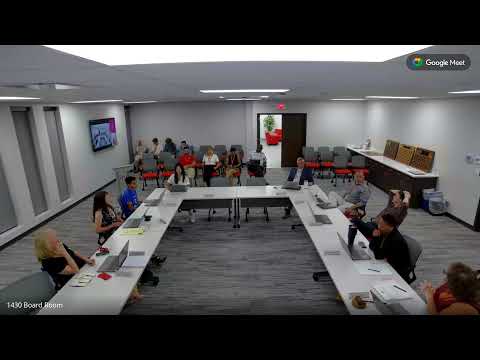
The Niskayuna Central School District presented an implementation plan on Aug. 12 for the state's new restrictions on student use of cell phones and internet-connected devices.
Superintendent Carl Mumtay described the district's plan as the "how" to implement the state mandate and said the district has "branded this not a ban, not a restriction, not a mandate. We branded this be present and be engaged because we really believe that the best possible outcome for this state mandate is that our schools become a place where students enjoy and value personal interaction" during the school day.
Key elements of the plan presented to the board: - Elementary schools: students will be prohibited from bringing cell phones to school, consistent with past district practice. - Van Antwerp (grade 6 beginning in September): a centralized storage solution (office lockers or adjacent storage) will be used for the few sixth graders who bring phones. - Iroquois Middle School and Niskayuna High School: the district will use Yondr pouches. Each student will be assigned a pouch to carry and secure their phone during the day; students bring the pouch home nightly. Designated stations on campus and exterior-mounted unlocking stations will allow students to unlock pouches when leaving campus or if they need access after dismissal.
Administrators emphasized a phased enforcement approach. The district's high-school principal, Anthony Malizzi, said the district visited Bethlehem's program to learn from its implementation and that the district will communicate distribution details, expectations, and use instructions to families. Technology director Gus Gardel and building principals will support logistics. Building principals will use "logical and progressive consequences" and staff anticipate a learning curve rather than immediate, strict enforcement.
The board and administrators discussed practical details raised by student representatives: random checks used in some districts, how to handle forgotten or lost pouches, replacement costs and life cycle, accommodation for students with medical devices (district said Yondr provides Velcro/alternative pouches), and use of nonconnected audio devices. Staff said replacement costs would be modest, discussed a range of figures during the meeting, and plan to include replacement budgeting in annual technology allocations.
Communications staff will launch a multi-pronged messaging campaign beginning the day after the meeting, including a landing page, Q&A, email and ParentSquare updates for families and staff. Building principals and assistant principals will be primary contacts once school opens.
The plan was presented for board review and public information; the meeting record shows discussion and operational clarifications rather than a formal separate vote adopting additional policy language at this session.