Get Full Government Meeting Transcripts, Videos, & Alerts Forever!
Get email alerts on the Budget topic
No spam. Unsubscribe anytime.
Gadsden County commissioners told to plan for multimillion-dollar shortfall as federal and state cuts loom
Summary
County staff told commissioners the county faces an estimated multi-million-dollar revenue gap this fiscal year and urged immediate planning for possible federal and state cuts, with EMS and Medicaid exposure singled out as high-risk items.
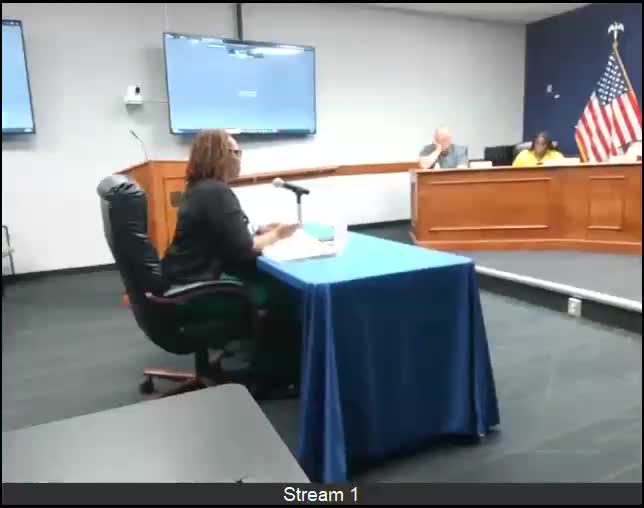
Gadsden County commissioners spent a workshop session on Wednesday confronting an emerging budget shortfall and decisions they will likely need to make in the coming months.
County Financial Director Rose Raynack told the board the county's projected revenues for the coming year are roughly $70.96 million versus a current-year budget of about $63 million, but staff and commissioners repeatedly said a mix of state and federal changes and program cuts create an estimated funding gap that will require action. "It is my understanding the difference on the ask and what we have is approximately $2,200,000," Raynack said during the presentation.
The presentation and ensuing discussion centered on two related concerns: (1) near-term increases the county must absorb, such as rising health and property-insurance costs, and (2) longer-term exposure tied to federal and state program changes — notably Medicaid and SNAP — that legal and budget staff said could shift costs to counties after 2027.
County staff and the county attorney urged the board to consider building reserves and to identify cuts and contingencies now so the county can respond if the federal or state changes materialize. The county attorney summarized federal legislation the county is tracking and warned the worst provisions affecting local reimbursements are scheduled to phase in after 2027. He said counties statewide are watching two areas in particular: EMS reimbursements and medical care delivered in the county jail. "If those funds are gone come 2028, then the jail's budget is gonna go exponentially higher because the jail has to provide those medical services," the attorney said.
Commissioners and staff discussed concrete near-term increases that will be incorporated into the budget process. Raynack and staff identified the CHP health-insurance rate increase (discussed separately by HR staff) and a rise in property-insurance costs; staff said property premiums have risen from prior-year budgeted amounts and actuals and that updated property valuations and new county facilities will increase premiums further.
Commissioners asked for two immediate items of work from staff. First, they asked the county administrator and finance staff to develop scenarios showing how to absorb the estimated shortfalls (savings, cuts, or revenue options) and what a 3–10% reduction across departments would mean operationally. Second, they asked staff to return with clearer, department-level numbers — including vacancy counts, projected insurance costs, and one-time versus recurring obligations — so the board could consider line-by-line adjustments at a future workshop.
Several commissioners urged caution about cutting services or staff, noting the human impact and the county's operational needs. Commissioner Chris Green (title: Commissioner) said he wanted to prioritize essential services such as public safety when choosing reductions. Others emphasized using nonrecurring grant or one-time funds for one-time projects rather than ongoing operations.
For next steps staff were asked to: provide an updated shortfall estimate with supporting detail; model three reduction/revenue scenarios (conservative, moderate and severe); and identify which projects in the current recommended list are one-time eligible uses versus recurring obligations. Commissioners scheduled follow-up budget workshop work to consider those scenarios before adopting final millage and budget decisions.
The workshop produced no votes or binding decisions; commissioners instructed staff to return with the requested analyses.
Ending: The board left the workshop with a directive to staff to assemble clearer, department-level budget scenarios and to flag high-risk programs so the commission can weigh tradeoffs at its next budget workshop.