Get Full Government Meeting Transcripts, Videos, & Alerts Forever!
Get email alerts on the Public Engagement Town Hall topic
No spam. Unsubscribe anytime.
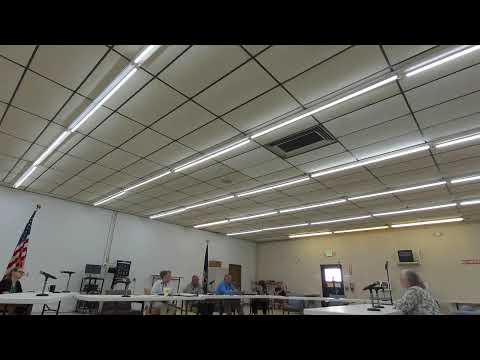
Organizer, commissioners plan quarterly Pulaski County town halls; legal and logistics questions remain
Summary
Volunteers and county staff have secured a venue and drafted an agenda for quarterly Pulaski County town halls, but commissioners asked the county attorney to confirm legal limits on format and whether the county may pay a facilitator; livestreaming and security were discussed.
Pulaski County residents and organizers described progress toward a series of quarterly town halls and asked commissioners to confirm county support for logistics and a paid facilitator.
Organizer Brandy Larkin told the board that a downtown venue has been offered at no cost, Purdue Extension's Chris Parker has been asked to serve as a neutral moderator and volunteers will help with logistics. Larkin asked the county to provide security, official public notice, recording and livestreaming and to confirm whether the county would cover a reasonable facilitator fee or whether she should seek a sponsor. She cited Indiana Code 36-2-2-2 and 36-2-2-8 as possible authority to allow county payment for a facilitator.
County Attorney Jacob Ehler advised the commissioners on the Indiana Open Door Law and warned that commissioners must be careful to avoid impermissible decision‑making at informal sessions. Ehler said town‑hall style meetings are permissible in other counties but recommended clear rules on advertising, decision‑making and public comment so they do not become illegal meetings or substitute for properly noticed votes. The attorney also advised that commissioners clearly state that no official votes occur at a town hall and that they treat sessions as extended public comment.
Commissioners and staff discussed livestreaming and technical access; county staff said a county YouTube account and equipment could be used if volunteers have access to the county login. Larkin and commissioners agreed to confirm two main topics for the first town hall (proposals mentioned included solar and the county comprehensive plan). Commissioners asked staff and the county attorney to confirm statutory authority and the county’s ability to pay a facilitator before the next meeting.
Organizers sought guidance on a date and suggested an opening format where each commissioner would have five to seven minutes to present their stance on two main topics, followed by timed public questions submitted in writing. Commissioners said they supported public dialogue but wanted legal confirmation of the event’s permissible structure and any spending before the county committed funds.