Get Full Government Meeting Transcripts, Videos, & Alerts Forever!
Get email alerts on the Community Redevelopment topic
No spam. Unsubscribe anytime.
Commissioners approve CRA grant items; discuss eligibility, heir-property and septic-to-sewer needs
Summary
At the Escambia County Community Redevelopment Agency meeting Aug. 7, commissioners unanimously approved five residential grant and lien items and discussed eligibility limits, heir-property barriers and a possible push to convert septic systems to public sewer in several redevelopment areas.
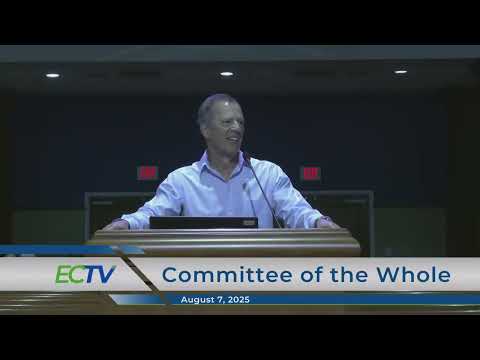
The Escambia County Board of County Commissioners' Community Redevelopment Agency approved five residential grant and lien items and spent extensive time discussing eligibility rules and sewer access at a regular meeting Aug. 7 at the McGahay Building.
The board unanimously approved the CRA minutes from July and a budget/financial consent agenda that included five residential items: funding and lien agreements for the residential improvement grant program; cancellation of residential rehab grant program liens; funding and lien agreements for the residential roof program; and residential improvement program funding and lien agreements for properties at 1231 Santa Fe Circle and 7828 Sabre Drive.
The vote on the consent items was taken by motion, second and a unanimous voice vote. No individual mover or seconder was recorded on the public transcript.
Commissioner Everett pressed staff on program scope and usage, asking how many "housing replacements" have been completed through the CRA this fiscal year and whether the agency was using all options allowed by state statute. County staff responded that some types of housing replacement activity occur through Neighborhood Enterprise Development (NED) rather than through the CRA, and that the CRA's residential programs currently focus on roofs, paint, matching grants and residential rehabilitation where eligible.
A recurring issue raised by commissioners was eligibility. Commissioners said many residents in redevelopment areas are disqualified because of "heir property" title issues, and staff confirmed the county refers such residents to legal-aid resources and a title-cleanup program. Commissioners asked county staff to produce a quick reference guide explaining eligibility requirements and the steps applicants must meet.
Several commissioners also pressed for attention to sewer access in redevelopment corridors. Members noted commercial corridors and infill lots cannot develop or attract businesses where sewer service is unavailable or where hookup and connectivity fees are unaffordable for low-wage residents and small businesses. Commissioners suggested the county consider bonding or reallocating CRA resources and asked staff and engineering to return with a proposal that could include coordination with the Escambia County Utilities Authority (ECUA) and potential county financial support.
Speakers stressed two distinct constraints: available CRA funds and program eligibility rules. One commissioner said there is substantial unmet need in multiple neighborhoods, while another noted the county has previously invested in sewer infrastructure with limited property hook-up, reducing the expected benefits of past infrastructure investments.
No new ordinance or binding policy change was adopted at the meeting. Commissioners directed staff to prepare (1) a short eligibility reference for CRA residential programs and (2) a proposal from county engineering and the relevant department on options for facilitating septic-to-sewer conversions or reducing hookup barriers in key redevelopment corridors.
The meeting adjourned after the items and discussion.
Ending: The board did not set a timetable for staff returns beyond a request that the septic/sewer proposal come back for discussion at a future meeting; commissioners said they want options that could include bonding, partnerships with ECUA or targeted CRA allocations.