Get Full Government Meeting Transcripts, Videos, & Alerts Forever!
Get email alerts on the Opioid Settlement Funds topic
No spam. Unsubscribe anytime.
State partner briefs commissioners on approved uses of opioid settlement funds and reporting rules
Summary
UT SMART described how two settlement funding buckets will flow to Shelby County, what programs may be eligible and what reporting and timing rules apply, and offered technical assistance and examples of local program designs.
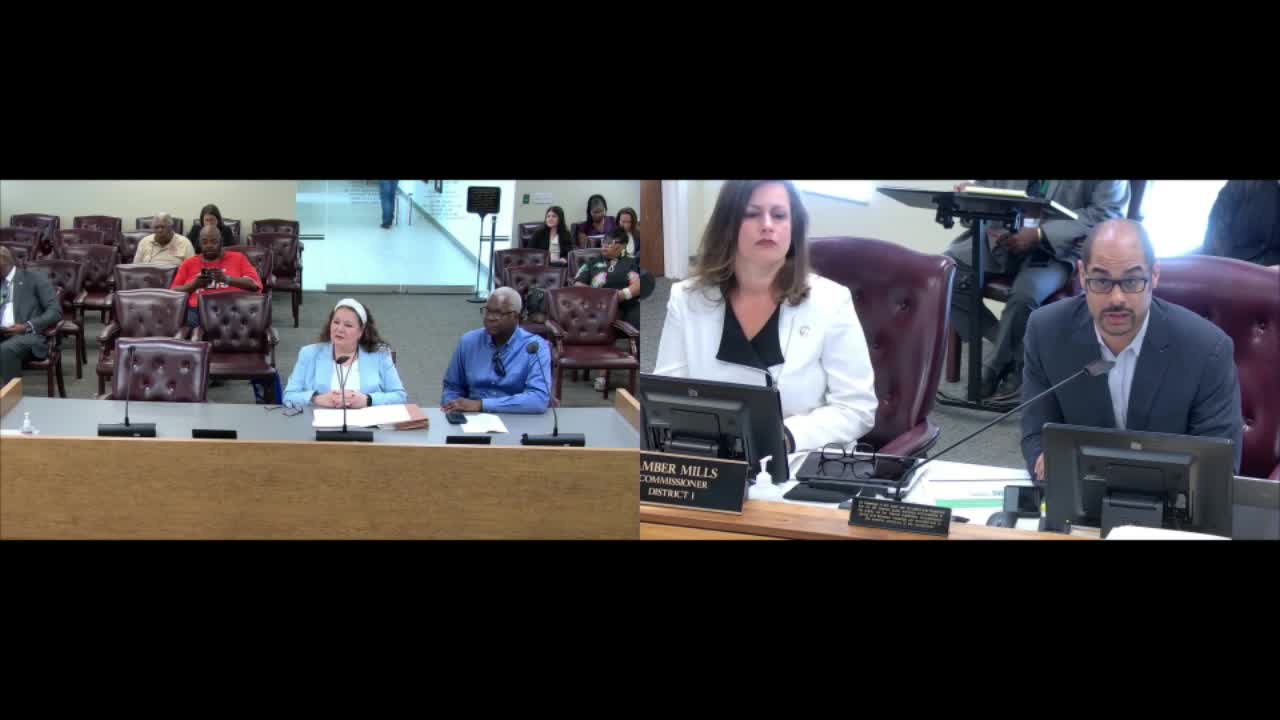
Representatives from the UT Institute for Public Service's SMART Initiative briefed Shelby County commissioners on July 23 about how opioid settlement funds are allocated, eligible uses and reporting obligations.
Jennifer Torvill and West Tennessee consultant Shanny Kressinger explained that Tennessee's opioid settlements divide proceeds into multiple "buckets," including a subdivision portion (a county-specific allocation) and a statewide abatement trust fund overseen by the Tennessee Opioid Abatement Council. The subdivision funds can be used for past or future remediation activities listed in the settlement exhibit; the abatement trust funds must be used for future remediation and must be reported to the council. "The subdivision funds' allocation percentage for Shelby County will not change over the 18 years," Kressinger said. The statewide abatement fund allocation, by contrast, is recalculated every four years based on measures such as fatal and nonfatal overdoses and prescription rates.
Torvill cautioned counties to avoid using settlement estimates as guaranteed revenue for long-term recurring costs because annual payments will vary as additional parties settle or if a defendant declares bankruptcy. She outlined nine approved remediation strategy categories and said counties often set up local oversight bodies or issue competitive community grants. "We've seen a lot of counties put these funds out into community grants," she said, recommending quarterly or biannual reporting and evaluation of recipients.
Commissioners asked for written examples of other counties' uses and about whether housing, reentry services and jail-based treatment are eligible. Torvill said housing linked to recovery and reentry support is an eligible use and that many counties fund diversion, treatment and recovery supports as well as prevention programs and school-based services. Kressinger and Torvill offered SMART's assistance to perform a local asset-and-gap analysis, craft grant guidelines and help structure reporting and evaluation. Commissioners requested follow-up materials and examples in writing.