Get Full Government Meeting Transcripts, Videos, & Alerts Forever!
Get email alerts on the Medicaid Funding Providers topic
No spam. Unsubscribe anytime.
Senate passes bill to provide state-only funding to providers cut from Medicaid; transparency amendment fails
Summary
The Colorado Senate approved Senate Bill 25B-002 to allow state-only payments to entities barred from receiving federal Medicaid reimbursements for certain reproductive-health-related reasons; two proposed transparency amendments failed on the floor.
Senators on Thursday approved Senate Bill 25B-002, a measure authorizing state-only funding for entities that federal rules currently bar from receiving reimbursements from the Centers for Medicare & Medicaid Services. The bill passed after committee consideration and floor debate.
Supporters said the bill is intended to stabilize access to primary and family-planning services for Coloradans where federal reimbursements have been interrupted. Senator Dylan Bridges, the bill sponsor, told colleagues the measure would restore access to services such as family planning and primary care for patients affected by the federal change.
The bill drew extended debate over Planned Parenthood’s role in the state’s safety net. Bridges said the bill does not fund abortion care and described planned steps to restore Medicaid-covered family-planning and primary-care services to affected patients, noting that Planned Parenthood of the Rocky Mountains provides about 55,000 visits annually and that earlier federal actions canceled roughly 991 appointments before temporary court relief was secured. Senator Mike Doherty said the measure is designed to “stabilize the federal roller coaster,” authorizing state-only payments while prohibitions remain in effect and pausing those payments when an entity is eligible for federal reimbursement.
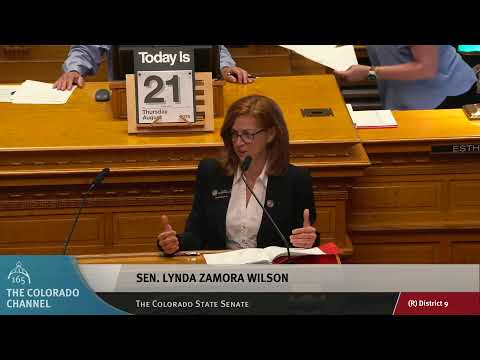
Two floor amendments seeking additional transparency were defeated. Senator Zamora Wilson moved Amendment L-003, which would have required the State Department to publish on its website a description of each claim reimbursed to a prohibited entity; L-003 lost on a voice vote. Later, a committee-of-the-whole amendment S-001 also failed on a roll call (12 ayes, 23 noes). Senators expressing concern about the amendments cited potential HIPAA and privacy issues; proponents argued taxpayers have a right to receipts for state-only payments.
After debate the Senate adopted the HHS committee report and then approved the bill on second reading and final passage by voice vote; the clerk read the title to Senate Bill 25B-002 after adoption.
The bill directs state-only payments to replace federal reimbursements only while a federal prohibition remains in effect; if an entity regains federal reimbursement eligibility, state-only payments would not be used. The bill’s proponents said the Department of Health Care Policy and Financing would have administrative responsibility for implementing the payments.
Votes at a glance: the bill passed on the floor by voice vote; the failed transparency amendments were L-003 (failed by voice vote) and S-001 (failed 12–23 on a roll call).