Get Full Government Meeting Transcripts, Videos, & Alerts Forever!
Get email alerts on the County Budget topic
No spam. Unsubscribe anytime.
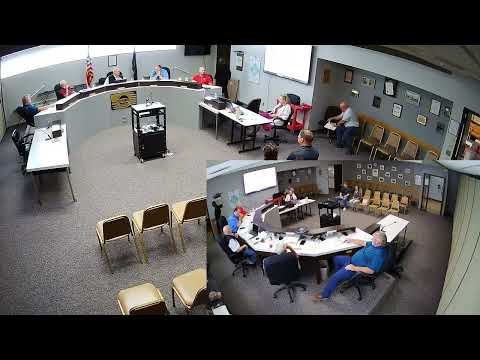
Scotts Bluff County officials weigh tax ask, reserves and service cuts as budget talks continue
Summary
County finance staff told commissioners the preliminary tax ask is about $17.12 million and that using prior-year unused taxes and reserves could change the levy; commissioners debated drawing reserves versus cutting spending and scheduled follow-up budget meetings.
Scotts Bluff County finance staff gave commissioners a midyear budget briefing that showed a preliminary tax ask of roughly $17.12 million and a need to reduce that figure toward options presented at $15.06 million or $14.09 million.
Lisa (county finance staff) told the Board the current “tax ask” figure she was showing was $17,118,000 and walked commissioners through a worksheet that included a $709,053.60 line described in the meeting as prior-year unused property tax that could be applied this year, which staff said would move the county’s potential authority to roughly $15,000,006.50.
The presentation and ensuing discussion focused on two linked choices: whether to use one-time prior-year or reserve balances to lower the property tax ask this year, and how drawing down reserves would affect cash flow and risk. Lisa said the county’s general fund carryover target being discussed was about $2,800,000, and warned that using those reserves would leave the county starting the fiscal year with little or no cash on hand, while other speakers stressed the county’s need for some operating cushion given payment timing.
Commissioners pressed staff for clarity about the legal and audit consequences of applying prior-year unused tax authority. Lisa said she had contacted the state auditor’s office for guidance and would report back when staff had a written clarification.
Several commissioners stressed the timing mismatch between when the county budgets and when property tax receipts arrive. One commissioner noted payroll and recurring monthly obligations — discussed in the meeting as often totaling about $1.5 million a month — mean the county needs reserves to bridge receipt delays. Commissioners also discussed the auditor’s guidance that governments should keep roughly three to four months of expenses in reserve.
The board did not adopt a final levy at the meeting. Instead members discussed options for balancing the levy, reserves and service priorities and agreed to continue the budget review at follow-up public meetings. Staff were directed to return with clarifying guidance from the state auditor about the implications of applying prior-year unused property tax authority and with updated scenarios showing the impact to reserve balances and projected cash flow.
The meeting opened with a procedural motion to approve the agenda; a roll-call vote recorded Commissioners Meyer, Blue, Rasey and Harris as voting yes and the chair declared the motion carried.
The board set two additional public budget work sessions to continue the discussion (meeting publication and final dates to be confirmed by county staff).