Get Full Government Meeting Transcripts, Videos, & Alerts Forever!
Get email alerts on the Public Safety Drugs topic
No spam. Unsubscribe anytime.
Sheriff highlights spike in drug seizures, urges continued support for C6 regional task force
Summary
Kandiyoi County Sheriff Eric Tolleson told commissioners the C6 Drug and Gang Task Force made large methamphetamine and other seizures in recent months and faces funding pressures as forfeiture revenue falls and operating costs rise.
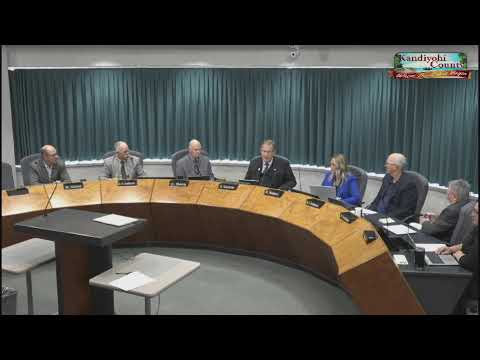
Sheriff Eric Tolleson told Kandiyoi County commissioners on Tuesday that the region's C6 Drug and Gang Task Force has continued high‑volume enforcement this year and is seeing large seizures and staffing and funding pressures.
Tolleson said the multi‑county task force, formed in the 1990s and currently including Kandiyoi, Meeker, Chippewa, Swift and Yellow Medicine counties plus one municipal officer, operates with seven agents. He credited the unit for a recent large methamphetamine seizure and summarized activity from the prior six months: 186 arrests, 56 meth seizures totaling more than 700 pounds, 86 pounds of marijuana seized, 153 searches, 17 child removals and seizure of 46 firearms.
Tolleson and task force staff said the team's operating costs have risen about 42% over the last decade while grant funding has not kept pace. Forfeiture revenues used in the past to supplement budgets have diminished after legislative and legal changes, the sheriff said, increasing pressure on county contributions.
Task force members also said cannabis legalization in Minnesota has produced a significant unregulated market, including high‑potency THC concentrates that sometimes mimic the appearance of other drugs. "We're seeing crystal substance that looks like meth, but it's actually THC products," agent Josiah Puckett said. Sergeant Ross Ardoff, task force commander, added that noncompliant indoor grows and a large black market complicate enforcement.
Tolleson thanked the board and the other counties for their continuing support and asked commissioners to consider regional funding stability as the task force grapples with rising costs.
Why it matters: the task force's seizures and arrests indicate an active illicit market in the region; Tolleson said reduced forfeiture revenue and flat grant support leave counties to absorb more of the cost to maintain current staffing and investigation capacity.
Next steps: The sheriff's office and task force will continue multi‑county cooperation and has asked local lawmakers and boards to monitor funding and consider sustained contributions to preserve current staffing.