Get Full Government Meeting Transcripts, Videos, & Alerts Forever!
Get email alerts on the Animal Services topic
No spam. Unsubscribe anytime.
Joshua City animal services director seeks budget and facility upgrades as county bond could force shelter move
Summary
The Joshua City Animal Control Advisory Board approved minutes and heard an operational and budget briefing from animal services staff, who sought endorsement for increased vaccination funding, a PetPoint software upgrade and a $39,500 capital project to replace outdoor gravel runs with concrete as county road projects funded by a Johnson County bond could force a shelter relocation.
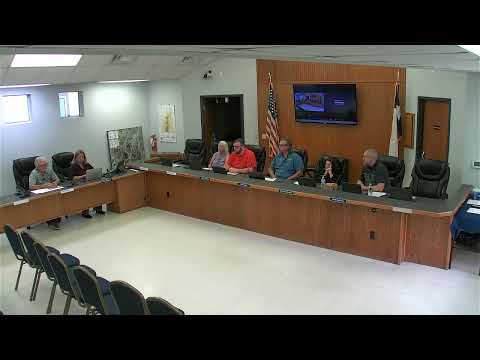
The Joshua City Animal Control Advisory Board approved the previous meeting minutes by unanimous voice vote and spent the bulk of its session on an operational briefing and budget and capital-improvement requests from animal services.
"My name is Tommy Miller. I came on December 16," said Tommy Miller, who led the presentation. Miller described changes since he started, including active patrols in neighborhoods, expanded trapping for feral cats, an uptick in volunteer and community-service hours, and updated vaccination and quarantine procedures.
Miller told the board the shelter corrected record-keeping that earlier showed 76 animals in the system but only 42 physically at the facility. He said staff found more than 50 animals in the database that had not been dispositioned and took steps to reconcile the inventory. "We immediately began working to find out and correct all those instances," Miller said.
Why it matters: Miller asked the advisory board to endorse several budget increases and a capital-improvement project so he can carry them forward to the citycouncil. The board's backing would strengthen staff requests for more vaccine funding, a software upgrade, safety footwear, trap deposits, and a paved, numbered outdoor run area designed to reduce cross-contamination and improve daily cleaning.
Operations and public-health steps
Miller said the shelter has expanded active community patrols to 1025 hours per week and increased public access at the facility, which has raised visitor counts and phone responsiveness. He described a recent focus on feral-cat trapping in several neighborhoods and on apartment and mobile-home areas. Where tested, about one-quarter of trapped cats tested positive for feline leukemia or FIV, Miller said.
Miller described a quarantine and intake reconfiguration: a dedicated sick/quarantine room; a holding room for cats; and an adoption room reserved for healthy animals. He said the shelter is in kitten season and that the facility currently houses around 68 animals, "15 of them are dogs, the rest are cats." He reported that transfers to out-of-area rescue partners have continued and that volunteer foster homes remain critical for neonatal and socialization care.
Medical protocols and euthanasia policy
Miller recommended following shelter-medicine vaccination protocols endorsed by national shelter groups, saying younger animals should receive a series of vaccinations at roughly two-week intervals and adults typically receive two doses. He said the shelterhas not seen kennel-cough outbreaks since the protocol and other infection-control steps were implemented.
On euthanasia, Miller described daily evaluation guided by four welfare principles (freedom from hunger and thirst; freedom from discomfort; freedom from pain, injury and disease; and freedom from fear and distress). He said decisions are case-by-case: "They're evaluated daily," Miller said, adding that he does not expect staff to question a veterinarian or supervisor decision made after appropriate review.
Budget and capital requests
Miller requested the advisory boardendorse several items for the fiscal 2025budget and the capital-improvement plan (CIP):
- Increased vaccine funding (to allow expanded series for young animals). Miller estimated the request would increase the vaccine line but said it would not cover the full three-dose series for every animal. - PetPoint Enterprise software maintenance (Miller said the vendorupgrade and live support run about $2,500 per year and would provide automated reports and 24/7 support for field/shelter records). - Protective footwear and staff safety supplies. - A capital project to replace the shelteroutdoor dirt-and-gravel runs with 16 numbered concrete runs, drains tied to the sanitary sewer, and a fenced play yard for supervised off-leash socialization. Preliminary quotes for that item were about $39,500.
Miller said the concrete runs would allow consistent numbering of runs, faster cleaning and disinfection, and lower cross-contamination risk for pathogens such as parvovirus. He asked the advisory board for an endorsement to carry the requests to council; several board members voiced support, though one member said the proposed vaccination schedule looked "too much." Miller said adults typically receive fewer doses than young animals and that the request was intended to improve animal health in the shelter.
Potential Johnson County/TxDOT impact
Miller and board members discussed a Johnson County bond election that approved $60 million for right-of-way purchases and other projects intended to accelerate TxDOT work. Miller said county funds would be available in September and that Joshua City staff planned a June 10 meeting with the Johnson County judge, the city manager and the mayor to discuss whether planned TxDOT right-of-way acquisitions could affect the shelter site.
Miller warned that an underpass project near the shelter could require buying new property for a relocated facility and said any county partnership would need a written agreement that specified staffing contributions, financial support for facility enlargement, and long-term responsibilities. "The shelter wholly belongs to the city. No matter how big it is, no matter how much money they gave you, the city retains full 100% ownership and management of that facility," Miller said.
Board action and follow-up
The only formal recorded action in the meeting was the unanimous approval of the Sept. 17, 2024, meeting minutes. The board did not vote on the budget or CIP items; Miller asked for the boardendorsement so he could carry the proposals forward to city council. Board members asked for a budget/CIP update at the next meeting and for an update after the June 10 meeting with Johnson County.
Ending
Miller said staff will continue trapping, vaccination, volunteer outreach and transfer efforts and asked the advisory board to back the budget and capital requests when they advance to council. The board set a request for an update on building plans and any work the city workforce could accomplish in-house.
(Article based on advisory-board discussion and staff report; no additional facts were inferred beyond the meeting record.)