Get Full Government Meeting Transcripts, Videos, & Alerts Forever!
Get email alerts on the Public Safety Police Transparency topic
No spam. Unsubscribe anytime.
Erie residents press council for answers after Marcello Woodard’s death, demand transparency and support for family
Summary
Multiple Erie residents and a family member urged the Erie City Council for transparency and resources related to the ongoing investigation into the death of Marcello “Cello” Woodard, saying silence is increasing community tension. Council members acknowledged the community’s pain and said the criminal investigation remains ongoing.
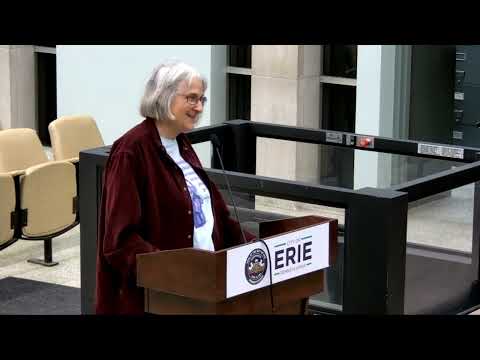
Dozens of Erie residents addressed the City Council on Aug. 20, 2025, pressing for more information and assistance related to the death of Marcello “Cello” Woodard and warning that a lack of communication is stoking community tension.
The speakers said they support the Woodard family’s call for answers while urging city leaders to use their influence to push for transparency from state investigators and prosecutors. “I totally support the family of Marcello ‘Cello’ Woodard in their quest to have some answers at this stage in the process,” said Bridal Teffra, a city resident. “I understand the importance of having a thorough investigation, but I think comparatively with other things that have gone on, there would have been more information released to the public at this point.”
Why it matters: multiple speakers said the continuing uncertainty is affecting public safety, school reopening and community mental health. Residents warned that patience is wearing thin and urged elected officials to press state authorities for clearer public updates.
Residents described peaceful protest activity organized as Justice for Cello and said leaders have been deliberate about nonviolence. Heather Garzinski, a city resident who described academic study in criminology and sociology, praised local protesters’ restraint and warned that in other U.S. cities repeated official silence preceded unrest. “I encourage…anybody that cares or wants to avoid further escalation, to take the fingers out of their ears and start listening,” Garzinski said.
Several speakers asked whether the council had received responses from the governor’s office, the state police or the district attorney. “We have yet to hear from you all if you have heard anything or if you heard nothing from all, publicly,” said Deontay Cooley, a resident. Cooley and others said they and fellow community members will continue public demonstrations and social media pressure until they see action or clearer communication from investigators.
Family member Michael Woodard addressed the council directly and asked for practical support for the Woodard family during the investigation, including mental-health resources, help repairing home damage and improved lighting near the family property. Woodard offered to help install a memorial and provided a contact number for follow-up: (814) 403-2482. “We’re asking for what your resources can do to reach out to the family, the friends, the fiancée, anyone at stake,” he said.
Council response and next steps: Council members publicly acknowledged the community’s pain and the need for better communication. A council member urged the district attorney’s office to provide more transparency as the lack of information, they said, “is falling the heaviest on our city.” The mayor told council members and the public that she understood impatience but said decisions must wait for investigatory work to conclude; she added she had been told the process could take more than a month.
No formal council action on the criminal investigation was taken; council members reiterated that criminal charging decisions are made by state-level authorities. Several public commenters also asked the council to use its influence to press those agencies for clearer public updates and to coordinate support for the grieving family.
Community context: Speakers repeatedly tied the case to broader concerns about racial justice and police-community relations in Erie. Multiple residents urged the council to consider systemic solutions and to explore advisory bodies or commissions as one potential local response, though speakers also recognized the limits of city authority over criminal prosecutions.
The council did not schedule a formal vote related to the investigation during the meeting. Commenters said they will continue to attend public meetings and demonstrations until they receive more public information.