Get Full Government Meeting Transcripts, Videos, & Alerts Forever!
Get email alerts on the Civic Participation Childcare topic
No spam. Unsubscribe anytime.
Council asks staff to study a pilot child-watch service during council meetings to boost civic access
Summary
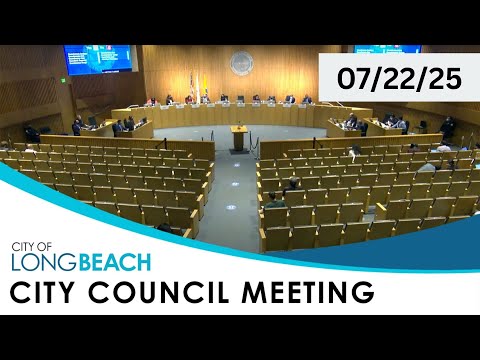
The City Council unanimously directed the city manager to evaluate the feasibility of a child-watch pilot during council meetings and to report back in 90 days. Sponsors framed the item as a step to remove a barrier to civic participation for working parents and caregivers; council members asked staff to consider phased pilots and logistics.
The Long Beach City Council voted to ask the city manager to evaluate establishing a pilot child-watch service during council meetings and report back to the council in roughly 90 days.
Sponsors said the item is intended to remove a logistical barrier to civic participation by parents and caregivers who cannot attend evening meetings because they lack childcare. The item revisits a council-approved effort from 2019 that was not launched during the COVID-19 pandemic and was described by sponsors as aligned with the city’s equity and inclusion goals and the 2030 strategic vision.
Council members asked staff to evaluate logistics, including whether the program might start small (for example, limited to city families or council-related events), whether existing staffing at the City Clerk’s office could handle registration, and whether liability, hours and operational constraints could be managed through a phased pilot. The item’s sponsors also noted letters of support from state and local elected officials and community organizations.
Public commenters and several council members urged a pragmatic pilot design to avoid creating frustration for families (for example, parents arriving and then waiting several hours for their item to be heard). Council members suggested the report should address how the city will notify participants about likely timelines for items and whether reservations, sign-up lists or block scheduling could be used to reduce uncertainty for caregivers.
The motion carried unanimously. Staff were directed to return with a feasibility report including recommended next steps and potential resource needs.
Why it matters: the pilot, if implemented, would lower a practical barrier to participation for residents with young children and could expand representation at public meetings.