Get Full Government Meeting Transcripts, Videos, & Alerts Forever!
Get email alerts on the Housing Finance topic
No spam. Unsubscribe anytime.
Council adopts formal affordable‑housing loan guidelines to standardize gap financing
Summary
The council approved a resolution creating written affordable‑housing loan guidelines meant to standardize underwriting, repayment, monitoring, and affordability safeguards for future city gap financing to projects serving low and very‑low income households.
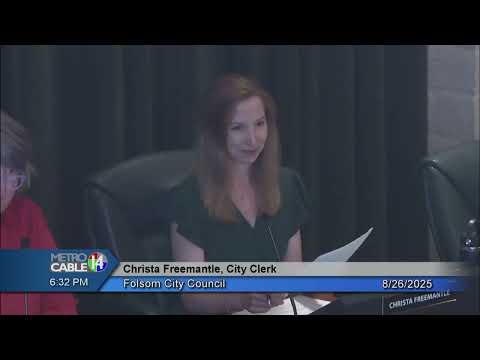
The Folsom City Council adopted a resolution on Aug. 26 approving formal affordable housing loan program guidelines intended to create consistent underwriting, repayment and monitoring terms for city gap financing.
Stephanie Henry presented the framework, noting that the city has funded 11 affordable housing projects since 2005 totaling more than $36 million and 1,095 units through a mix of loans and grants. Henry said the current practice has been largely reactive—developers bring proposals timed to tax credit and grant application cycles—and that inconsistent loan terms have made monitoring and enforcement difficult. The guidelines establish standardized criteria including underwriting standards, a residual cash‑flow repayment structure, reserve account requirements, and a 55‑year minimum affordability term for projects receiving city loans.
Henry said the proposed template aims to protect the city’s loan portfolio while safeguarding long‑term affordability. The staff summary included a typical loan rate in the guidelines: "3% simple interest," staff explained at the meeting, meaning interest is calculated on the outstanding principal each year rather than compounded. The guidelines also allow the city to offer gap financing that generally covers the difference between permanent financing and project costs and align loan terms with low‑income housing tax credit timelines.
Councilmembers asked whether residency or local‑worker preferences could be added. Henry said a residency/local‑worker preference would require additional legal review and that staff would return with a separate ordinance or policy proposal; she suggested adopting the guidelines now and pursuing preferences in a subsequent item. Several councilmembers supported the idea of a future notice of funding availability (NOFA) to prioritize projects by type or geography (for example, the Folsom Plan area, seniors, or special‑needs housing).
Council member discussion also noted the potential to pair loan guidelines with targeted funding solicitations and to prioritize projects that include homeownership, preservation of naturally affordable (missing‑middle) units, or units for residents with disabilities. The council approved the resolution by roll call vote; Henry said staff will use the guidelines to evaluate future loan requests and to create more predictable loan documents at closing.
Ending: Staff will incorporate the guidelines into loan documents and return with follow‑up policy items where required, including a potential residency/local‑worker preference ordinance for future weighting in NOFAs.