Get Full Government Meeting Transcripts, Videos, & Alerts Forever!
Get email alerts on the Vehicle Safety topic
No spam. Unsubscribe anytime.
DECRA representative proposes insurance discounts for vehicles that pass expert safety inspections
Summary
A former Texas inspection director told the Georgia House committee that offering insurers discounts for vehicles that pass in‑person safety inspections could reduce crashes, fraud and medical costs and urged lawmakers to consider a voluntary discount program rather than mandatory inspections.
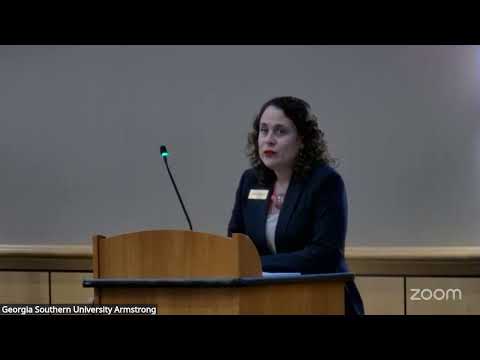
Jo Hazelmeyer, vice president of business development at DECRA and a former Texas vehicle inspection official, recommended the committee consider an insurance discount for voluntary, expert vehicle safety inspections.
What she told the committee
- Hazelmeyer said states with inspection and maintenance programs tend to have fewer roadway fatalities per registered vehicle. She cited a 2022 CETA study and a 2018 University of Texas Center for Transportation study showing fewer fatalities and lower severity for crashes involving inspected vehicles. - She recommended a voluntary discount that insurers could offer to vehicle owners who obtain an expert, in‑person safety inspection (brakes, tires, lights, overall roadworthiness). Hazelmeyer noted the inspection fee in Texas was $14.50 with revenue splits between state and stations. - Hazelmeyer said inspections could also (a) reduce insurance fraud by verifying vehicle condition, (b) help detect maintenance problems that raise crash risk (tires and brakes), and (c) provide a venue to check that vehicles have required coverage at in‑person inspection time.
Why it matters: Hazelmeyer argued a low‑cost inspection program tied to a discount could improve safety and reduce claims costs, particularly for older vehicles that are statistically more likely to have defects cited in post‑crash surveys.
Committee context and next steps
Members asked about inspection costs and whether other states offer discounts tied to inspections; Hazelmeyer said she was not aware of an existing inspection discount program but said the data support the safety case. The committee asked for follow‑up materials and comparative examples.
Ending
Hazelmeyer provided studies and asked lawmakers to weigh discount incentives as a pragmatic, non‑mandatory approach to reduce crash frequency and claims.