Get Full Government Meeting Transcripts, Videos, & Alerts Forever!
Get email alerts on the Special Assessment topic
No spam. Unsubscribe anytime.
Council approves resolution declaring Ironwood second‑entrance project necessary despite residents' objections
Summary
The Brandon City Council approved a resolution of necessity to move the Ironwood/Aspen Park second‑entrance project forward as a special assessment; residents at the hearing urged the city to reconsider assessment levels and alternatives.
The Brandon City Council voted to adopt a resolution of necessity for the Ironwood (Aspen Park) second‑entrance project, allowing the city to proceed toward bidding and later set special assessment rates for property owners.
The resolution, introduced as a step toward a special assessment project, passed on a voice vote after public comment and council discussion. Council members said adopting the resolution is the next procedural step so the city can solicit bids and calculate actual assessment amounts.
The vote matters because the resolution moves the project out of design and into procurement: city staff said going out to bid will produce firm construction costs that will determine how much abutting property owners would be assessed and the schedule for payments. Staff also told the council that the city would cover the majority of project costs and that the special assessment would cover a portion tied to special benefits.
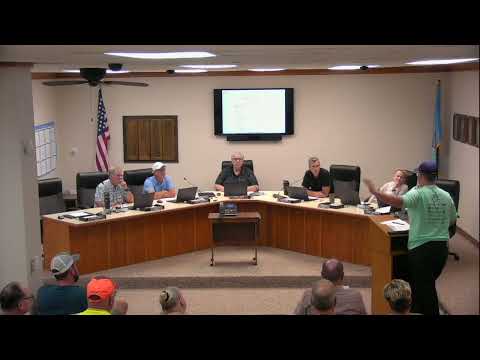
Residents who would be assessed urged the council to reconsider either the location of the new entrance or the assessment method. Kathy Buheim, a Brandon resident, told the council she and other abutting homeowners are “not against the second entrance” but object to “how it’s being assessed to us property owners and how it’s been handled.” Buheim said the project will “degrade the value” and the quiet of her property and urged the council to seek broader funding so the burden is not concentrated on a few homeowners.
Russell Drexler, a resident who spoke at the hearing, asked whether the city had checked for grant funding and argued that, because voters approved the project, the city should cover more of the cost. City staff replied that approximately 83% of the project cost will be paid by the city and 17% assessed to benefited properties, and that the assessments were reduced in part by including all of Aspen Park in the area assessment for the street surface.
Council members responded to residents’ concerns but emphasized the limits of the council’s options at this stage. Mayor Buck said the voters had previously directed the city to pursue additional access and that the resolution is a required step to proceed to bidding. Council members said they would continue discussions with affected homeowners about assessment calculations and payment options.
City staff said the next steps are to go out for bids to establish the true construction cost and then return to council with a special‑assessment ordinance that would set rates and payment schedules. Staff estimated the bid and assessment process would take place in coming months; the council did not adopt assessment rates at the meeting.
The council approved the resolution by voice vote after public comment; no roll‑call tally of yes/no votes was recorded in the minutes for that motion.
What happens next: staff will advertise the project for bids, determine final construction costs, and return to council with a draft special assessment ordinance describing rates and payment schedules for affected property owners.