Get Full Government Meeting Transcripts, Videos, & Alerts Forever!
Get email alerts on the Strategic Plan Education Outcomes topic
No spam. Unsubscribe anytime.
Kirkwood Board reviews 2024–25 strategic plan results; literacy, math and equity flagged for continued work
Summary
District leaders presented 2024–25 highlights and focused priorities for 2025–26 across literacy, math, career pathways, equity and student supports, and outlined next steps including PLC coaching, curriculum alignment and targeted interventions.
KIRKWOOD, Mo. — At an Aug. 4 work session the Kirkwood School District reviewed progress on the 2024–25 strategic plan and outlined priority objectives for the 2025–26 school year, including literacy, math adoption, equitable discipline practices and expanded student supports.
District leaders reported gains in early literacy and benchmark growth in several grades and described continued investments in professional learning communities (PLCs), coaching and curriculum alignment. Presenters said 63 teachers have completed or begun LETRS training (a structured literacy program) and that the district will shift from one‑on‑one job‑embedded coaching toward grade‑level “literacy learning labs” to spread practices across teams.
In math, the district piloted Amplify/Desmos resources with 70 teachers and plans full adoption with seven days of job‑embedded coaching next year. Leaders said every math course has been vertically aligned from kindergarten through 12th grade and that spring benchmark data put eight of nine grades at or above district targets.
High school staff reported continued attention to credits and pathways: the district’s early‑college partnerships allow nearly 30 students to pursue associate degrees while completing high school, and leaders said dual‑enrollment is becoming a preferred pathway for some students in place of AP courses.
The board’s equity report highlighted mixed results. Staff said exclusionary suspensions decreased but office referrals and in‑school suspensions increased; the district missed its target reduction in referrals among Black students and students with IEPs. Presenters described expanded restorative‑practices training, an updated universal classroom checklist for teachers and plans to use coordinated early intervention (CEIS) funds to support targeted professional development and mentoring programs aimed at reducing disproportionality.
Safety and student supports received emphasis: the high school completed Project ADAM cardiac‑emergency certification and the district expanded embedded clinical supports, earlier intervention efforts and home‑visit protocols to address attendance concerns and students identified as at‑risk. Staff said the number of students identified “at risk” decreased in the most recent survey cycle.
Board members asked for deeper, teacher‑level discipline data, earlier identification of students needing supports, and clarified questions about how new programs such as ideaLAB (elementary innovation labs) are being assessed for equitable impact. One board member urged clearer leading indicators and more targeted measures so the district can see whether programs are improving outcomes for groups that lag behind.
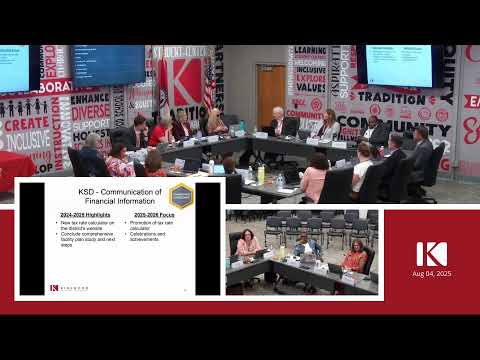
Communications staff reported improvements to the district website and a planned app refresh, plus a dedicated family communications plan for the upcoming school year. Facilities and maintenance messaging was flagged as a priority for the coming year: staff said older buildings need continuous maintenance and the district will do more proactive outreach to explain ongoing facility work to taxpayers.
What’s next: The district said it will continue PLC work, implement the Amplify Desmos math adoption, expand literacy learning labs and review discipline data after the fall semester. Leaders also said they will bring forward specific proposals for CEIS‑funded interventions and will track equity and discipline metrics closely.