Get Full Government Meeting Transcripts, Videos, & Alerts Forever!
Get email alerts on the Public Safety Parks Vandalism topic
No spam. Unsubscribe anytime.
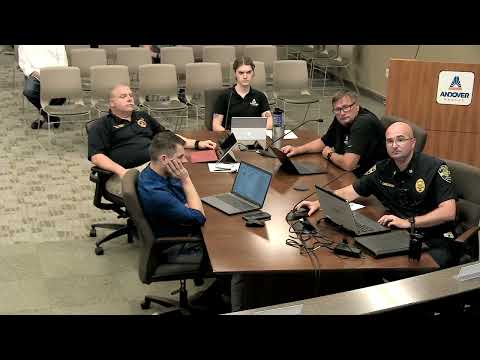
Council presses police and staff on repeated vandalism to parks and public facilities
Summary
Council members described repeated vandalism at parks and public facilities and discussed enforcement, surveillance, public outreach and community messaging. Police said investigations have produced a few leads but cases are often hard to solve without cameras or witnesses.
Council members raised concerns about repeated vandalism at Andover parks and public facilities and asked police and city staff what the city is doing to deter damage and hold people accountable.
Council member Bill Hamilton described recent incidents including damage to a restroom at Thirteenth Street Park and a hole punched in a new lodge. He told colleagues: “This community knows better than to do this kind of stuff... the damage to our public facilities needs to stop.”
Police Captain Tom Gresham (identified in roll call as Tom Gresham with the police department) said investigators have developed leads in a few cases but many incidents lack witnesses or camera footage. “Without cameras or other witnesses, we don't have a whole lot of leads to go on,” he said, adding that some cases have resulted in juvenile court restitution in the past.
City staff and council members discussed non-enforcement responses such as public messaging. Jennifer McCausland said communications staff has posted when facilities are closed due to vandalism and that online community responses have discouraged continued misuse. Council member Paul Wimmer suggested additional outreach and messaging; staff noted the city already posts incidents and closures on its Facebook page and updates park hours when needed.
Council and staff also discussed the deterrent and investigative role of cameras. Rick Lance, director of public works and utilities, noted cameras are often more helpful after an incident for identifying suspects than as a full preventative measure. Officers described variable patrol patterns: the department intentionally avoids a fixed routine ‘‘because when you get into a routine, you're predictable,’’ Gresham said, and officers will increase drive-bys when there is heightened suspicion.
No formal motions or ordinances were made on the topic; council members asked staff to consider whether a workshop or more detailed review of policies and options—such as camera placement, patrol strategies, signage, and community outreach—would be appropriate going forward.
Ending: Council members asked staff to bring more information back if the city wants to pursue expanded surveillance, additional signage, or a focused enforcement plan, and encouraged continued community messaging on responsible use of public amenities.