Get Full Government Meeting Transcripts, Videos, & Alerts Forever!
Get email alerts on the Public Safety Dispatch topic
No spam. Unsubscribe anytime.
Hot Springs, Fall River County spar over steep proposed increase to dispatch contribution
Summary
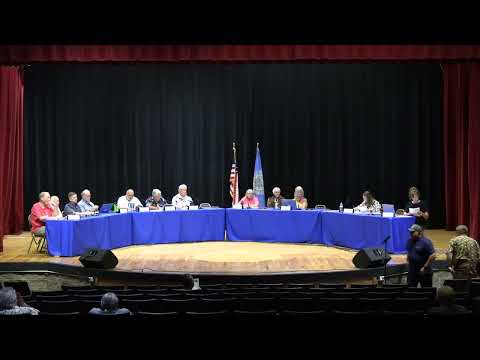
Hot Springs City Council and Fall River County officials discussed a proposed 30% increase in the city’s contribution to the county dispatch budget at the July meeting; no decision was reached.
Hot Springs City Council and Fall River County officials spent the meeting discussing a multi-year dispute over how much the city should contribute to the county-run dispatch center. County officials said the city’s share must rise sharply; city leaders said the requested increase is too rapid and raised questions about credits for 9-1-1 surcharges and long-term budget impacts.
The county presented historical figures showing the city’s contribution remained $55,000 from about 2002 through 2022, rose to $82,500 in 2023 and to $102,500 in 2024. County presenters said their total dispatch budget grew from roughly $151,667 in 2002 to about $492,160 in 2024 and that, on a percentage basis, the city’s contribution fell from roughly 36.25% of the budget in 2002 to about 20.8% in 2024. County officials proposed a 30% increase over the city’s current $102,500 — an additional $30,750 — bringing the city’s proposed contribution to $133,250 for the next budget year.
“The city is using roughly half of our dispatch workload; we believe the fair share is higher than what you are paying now,” said Sheriff Norton, summarizing the county’s position and the call-volume analysis. County staff presented an 11-year call-for-service analysis they said showed calls split roughly 50/50 between city and county jurisdictions.
City council members pushed back, noting Hot Springs already sends significant tax revenue to the county and that the city receives monthly 9-1-1 surcharge funds that should be credited. Council members also questioned operational and capital costs behind the county’s figures, including a roughly $275,000 set of upgrades the county reported it made to dispatch last year (new Zetron equipment, antennas, relocation and furnishings). City members asked how long the new systems are expected to last and whether the county has set aside recurring funds for future upgrade cycles.
County representatives acknowledged the large recent increases and said the county did not seek to raise the city’s share overnight beyond what they view as reasonable; they said the current 30% request was a compromise from a higher percentage the county could have requested. County staff also said some revenue streams the county collects (for example, contract revenue and some service fees) flow into the county general fund and are not earmarked in their dispatch line item.
Both sides identified personnel and technology as cost drivers. County testimony said the dispatch center still operates with four dispatchers (the staff level before the recent upgrades) and would need additional staffing and equipment to be fully resilient; commissioners said the county plans to set aside money for future system upgrades. City members said staffing and turnover questions — dispatch is a 24/7 operation that county staff described as difficult to recruit for — affect the budget picture and should be part of any long-term agreement.
No formal decision was reached. The council recessed into executive session to continue budget and negotiation planning and instructed staff to follow up with additional data, including a breakdown of equipment versus personnel costs and a clearer accounting of 9-1-1 surcharge receipts and other revenues the county receives that might offset the requested increase.
Actions recorded: discussion-only; no binding motion or vote on the dispatch contribution was made at the meeting.